Add Row
Add Element
cropper
update

[Company Name]

Stratalyst AI Logo
update
Add Element
  • Home
  • Categories
    • Digital Marketing
    • AI Visibility Tools
    • Predictive Content
    • Authority & Credibility
    • GEO & SEO
  • Contact Us
  • All Posts
  • Digital Marketing
  • AI Visibility Tools
  • GEO & SEO
  • Predictive Content
  • Authority & Credibility
June 12.2025
1 Minute Read

AI Customer Segmentation Houston: Target Smarter Today

Did you know that 82% of companies using AI customer segmentation in Houston report higher marketing ROI ? These businesses are rewriting the marketing playbook, harnessing AI-powered segmentation to reach the right customer at precisely the right moment. In today’s dynamic market, traditional approaches can’t keep pace with evolving customer expectations. If you want to make your marketing smarter—not harder—AI customer segmentation Houston offers a transformative advantage for your business.

AI Customer Segmentation Houston: The Intelligent Edge for Modern Businesses

  • 82% of companies using AI customer segmentation in Houston report higher marketing ROI, demonstrating the transformative power of targeted strategies.
  • Understand how AI is reshaping customer segmentation in Houston, making your marketing smarter, not harder.

Modern Houston businesses face stiff competition and rapidly changing customer behaviors. To succeed, brands need more than generic ad blasts—they need intelligent, data-driven insight. AI customer segmentation Houston leverages machine learning models and predictive analytics to deliver precise, actionable customer segments for targeted outreach. This means your marketing campaigns are more relevant, your customer engagement grows, and every dollar you invest works harder for your business objective.

By implementing AI-powered segmentation, Houston businesses can break down their customer base into groups based on historical data, purchasing patterns, and behavioral signals. This goes well beyond old-school demographics, enabling businesses to craft messages that resonate on a deeper level. With AI and ML, companies unlock genuine personalization—driving up ROI, loyalty program performance, and customer satisfaction like never before.

Modern business professionals in Houston discussing AI customer segmentation data analytics for targeted marketing.

Unlocking Success with AI Customer Segmentation Houston: What Every Business Needs to Know

  • Key concepts: AI customer segmentation Houston, machine learning, customer engagement, loyalty programs
  • Why traditional customer segmentation falls short in the Houston market

Traditional customer segmentation can only take Houston businesses so far . Static categories—like age or zip code—lack the depth and nuance required to reach today’s empowered consumer. AI customer segmentation Houston instead taps into machine learning models that analyze large amounts of customer data in real time. This unlocks ever-evolving, highly relevant customer segments grounded in real-world behaviors, not just assumptions.

Businesses in Houston must recognize that one-size-fits-all marketing is a missed opportunity. AI and ML approaches break through by optimizing loyalty programs, boosting customer engagement, and creating a truly personalized journey for every individual. In short, unlocking the power of AI customer segmentation Houston means marketing efforts that deliver big returns on investment and deliver the seamless, targeted experiences customers now expect.

Essential Benefits of AI Customer Segmentation Houston for Small Businesses

  • Personalized marketing at scale
  • Increased customer loyalty through better loyalty program targeting
  • Enhanced customer experience using predictive analytics
  • Cost efficiency and higher customer engagement

Small businesses in Houston are discovering that AI customer segmentation Houston can level the playing field with larger competitors. Personalized marketing, once available only to big-budget enterprises, is now achievable at scale thanks to machine learning and AI-powered data analysis. By breaking their customer base into dynamic, meaningful groups, businesses increase the relevance and effectiveness of every marketing initiative.

AI-optimized loyalty programs mean small businesses can precisely target consumers most likely to become brand advocates, rather than wasting resources on blanket offers that yield minimal results. Predictive analytics highlight emerging trends and purchasing intents, improving the customer experience and driving higher engagement across every channel. The result? More cost-effective marketing campaigns, increased retention, and a growing core of loyal, satisfied customers ready to spread the word throughout the Houston community.

Houston small business owner using AI customer segmentation to explain loyalty program to diverse customers.

How AI Customer Segmentation Houston Leverages Machine Learning Models for Growth

The Role of Machine Learning in Customer Segmentation

  • How machine learning models analyze customer data for more accurate segmentation
  • Adaptive learning models keep your business ahead of evolving customer needs

At the heart of AI customer segmentation Houston is the power of machine learning. ML models process massive datasets—from transaction histories to real-time online behavior—much faster and more accurately than human analysts. These models continually learn and evolve, adapting their segmentation strategies as customer behaviors shift. The result is nuanced, up-to-date, and actionable customer segments that sharply enhance the performance of your marketing efforts.

Unlike manual segmentation, ML algorithms can pick out subtle patterns and hidden relationships in your customer data. They inform decisions about which offers, content, or loyalty program features will most likely resonate with distinct segments of your Houston customer base. Adaptive learning ensures that as trends change—such as shifts in consumer sentiment, seasonality, or even world events—your business remains agile, with your marketing keeping pace thanks to AI and ML advancements.

Predictive Analytics: Forecasting Customer Behavior in Houston

  • Utilizing predictive analytics for precision targeting
  • Real-world results from Houston small businesses

Predictive analytics is the secret weapon of AI customer segmentation Houston . By analyzing historical data, purchase frequencies, and even natural language from customer feedback, AI solutions can accurately predict what products customers might want next—or whether they’re at risk of dropping out of your loyalty programs. This enables businesses to deliver laser-targeted offers and proactive engagement that feels personal, not pushy.

Houston’s most innovative small businesses are already putting predictive analytics into action, utilizing AI to launch timely marketing campaigns that increase retention and drive up the return on investment. By anticipating customer behaviors, companies stay ahead of the competition, turn casual buyers into regulars, and transform one-time shoppers into lifelong advocates—all through intelligent, data-driven insights.

High-tech AI interface visualizing customer segments for machine learning model in Houston business.

Four Core Types of Customer Segmentation with AI in Houston

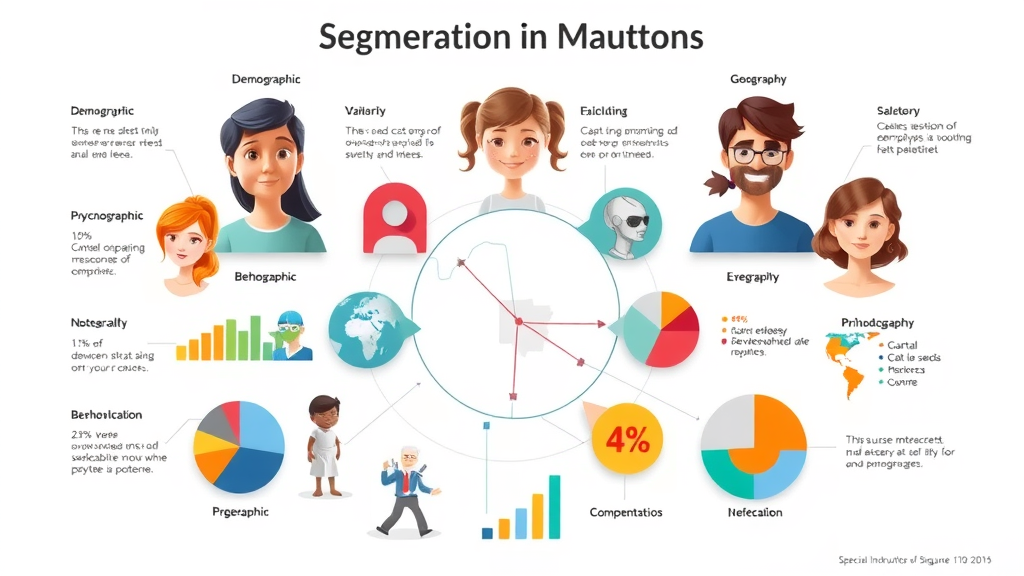
Type Description Example
Demographic Segments based on age, gender, etc. Targeting young professionals
Geographic Segments by location Houston urban vs. suburban
Psychographic Segments by interests and values Eco-conscious consumers
Behavioral Segments by purchase habits Loyalty program participation

Infographic of demographic, geographic, psychographic, behavioral AI customer segmentation in Houston.

Feature Selection for AI Customer Segmentation Houston: Best Practices

  • Identifying critical customer data variables
  • Machine learning model feature selection techniques customized for Houston markets

To succeed with AI customer segmentation Houston , start with the right ingredients: your customer data. Feature selection is the process of identifying which variables—such as purchase frequency, age, zip code, or loyalty program activity—delivers the most insight. The better your input data points, the sharper your customer segments become.

Machine learning models in Houston are customized to local nuances. For example, demographic traits, local events, or even weather trends may influence customer behaviors. Using data analysis and ML model techniques, Houston businesses can select only the most impactful metrics, ensuring every marketing campaign is both relevant and effective. Informed feature selection is what turns a generic model into a powerful tool for your Houston business objective.

Case Study: Small Businesses in Houston Elevating Loyalty Programs With AI Customer Segmentation

"After implementing AI customer segmentation Houston solutions, our loyalty program engagement rates rose by 35%." — Local Houston retailer

This real-world example highlights how small Houston businesses can unlock exponential gains with AI-driven segmentation. Instead of guessing what their customers want, companies use a machine learning model to tailor loyalty programs, refine reward structures, and target communications for specific customer segments. The increase in engagement, retention, and overall marketing ROI is a testament to the power of AI and ML insights in a competitive market.

By actively monitoring and adjusting strategies—relying on large amounts of customer data and predictive analytics—businesses can make informed decisions, ensuring that every dollar spent on loyalty programs delivers measurable, lasting customer satisfaction.

Houston retail team celebrates loyalty program growth with AI customer segmentation.

Building Effective Customer Engagement Strategies Using AI Customer Segmentation Houston

  • How AI customer segmentation supports personalized customer engagement
  • Integrating AI insights into multi-channel communication in Houston

Effective customer engagement requires more than just sending frequent emails—it’s about using AI customer segmentation Houston to deliver targeted, personalized experiences across every channel. Machine learning reveals what motivates specific customer segments, ensuring every message, offer, or service interaction is timely and relevant. This deepened engagement leads to higher brand loyalty, more frequent purchases, and greater customer satisfaction throughout Houston’s diverse business landscape.

Integrating AI insights into your communication process means every campaign—whether social media, in-store outreach, or digital ads—draws upon actionable customer data. Houston businesses that blend these approaches see improved response rates, increased participation in loyalty programs, and stronger long-term customer relationships. The result is a marketing strategy that evolves alongside your customer base, adapting quickly to new challenges and opportunities for ongoing growth.

Harnessing Customer Data Ethically with AI Customer Segmentation Houston

  • Privacy best practices for Houston businesses using machine learning
  • Maintaining trust while gathering customer data

With great data comes great responsibility. AI customer segmentation Houston can only thrive if businesses follow privacy best practices and maintain customer trust. Adhering to local, state, and national privacy laws ensures your use of machine learning and customer data remains ethical. This includes transparently communicating how data is collected, processed, and used to improve the customer experience.

Houston companies that make privacy a core pillar of their AI and ML strategies foster brand loyalty and customer confidence. Secure platforms, limited data sharing, and routine internal audits keep your business in compliance and protect you from reputational risk. Remember: long-term business growth depends not just on cutting-edge technology, but on building real, mutual trust with every member of your customer base.

Future Trends: AI Customer Segmentation Houston and the Evolving Loyalty Program Landscape

  • Predictions on AI-driven loyalty programs
  • How Houston industries are investing in advanced AI customer segmentation

AI-driven loyalty programs are on the cusp of a major evolution in Houston. Emerging technologies—like real-time AI recommendations and dynamic rewards based on live customer data—promise to make every touchpoint count. Businesses are investing in more robust machine learning models that not only segment customers more precisely, but also predict the next best offer, message, or incentive to keep them engaged and loyal.

Houston’s hospitality, retail, and service industries are leading the way, weaving advanced AI-driven segmentation into every aspect of customer experience. With the rising power of predictive analytics and AI and ML tools, companies can expect to see even higher customer engagement rates, smarter loyalty programs, and an accelerated path to sustained growth in the competitive Houston market.

Video: Introduction to AI Customer Segmentation Houston for Small Businesses

  • Visual walkthrough of key AI customer segmentation Houston benefits
  • Real-life examples and expert insights

A beginner-friendly video introduction showcases how AI customer segmentation Houston brings transformational benefits to small businesses. Through real examples and expert interviews, you’ll see how personalized marketing and loyalty program targeting are possible—even on a tight budget. The visual guide demonstrates the step-by-step impact of AI-powered customer segmentation models, providing Houston entrepreneurs with the inspiration and know-how to get started today.

Video: Leveraging Machine Learning Models in AI Customer Segmentation Houston

  • How to use a machine learning model for customer segmentation
  • Demonstrating predictive analytics and feature selection in action

Ever wondered how to put a machine learning model to work for your Houston business? This instructional video explores the nuts and bolts of selecting the right data points, training your ML model, and using predictive analytics for sharper customer segmentation. Watch as industry pros demonstrate best practices—showing exactly how targeted marketing, loyalty programs, and customer experience improvements become possible with an ML-powered approach in today’s digital economy.

People Also Ask: How is AI used in customer segmentation?

Understanding AI in Customer Segmentation Houston

  • AI applies machine learning algorithms to customer data, identifying meaningful segments.
  • Houston businesses automate segmentation for dynamic, highly relevant customer groups.

AI in customer segmentation Houston relies on machine learning algorithms to rapidly analyze customer data, from demographic details to purchase histories and online behaviors. By detecting patterns and correlations within these data points, AI segments your customer base more accurately than manual sorting ever could. This automation allows Houston businesses to serve highly relevant customer groups, making marketing efforts more efficient, informed, and impactful.

With AI and ML at the helm of your segmentation strategy, the process becomes dynamic—adapting in real time as your customer data evolves. This change is essential for businesses wanting to expand their customer engagement, loyalty programs, and ultimately, their market share in Houston’s fast-paced commercial landscape.

People Also Ask: What are the 4 types of customer segmentation?

Explaining the Four Types of Customer Segmentation Houston Uses with AI

  • Demographic, Geographic, Psychographic, Behavioral—each powered by AI customer segmentation Houston solutions.

The four types of AI customer segmentation in Houston each tap into a unique dataset: demographic (age, gender), geographic (location specifics), psychographic (values, interests), and behavioral (purchase and loyalty program activity). Machine learning models enhance each segmentation type by mining deeper insights and updating groups as customer behaviors change. This allows Houston businesses to craft pinpoint strategies that match the exact needs, interests, and loyalty triggers of every unique customer segment in their market.

People Also Ask: What is feature selection for customer segmentation?

Feature Selection Process in AI Customer Segmentation Houston

  • The process of choosing the most impactful data inputs for accurate and actionable customer segments in Houston.

The feature selection process in AI customer segmentation Houston identifies which pieces of customer data—such as recent purchases, preferred communication channels, or loyalty program usage—carry the most predictive power for segmentation. By focusing on high-impact data points, machine learning models create customer segments that are much more accurate, actionable, and relevant for targeted marketing and engagement.

This approach moves beyond generic categories, enabling Houston businesses to unlock the full value of their analytics and invest in strategies that directly drive greater customer satisfaction and loyalty program success.

People Also Ask: How can AI be used in customer service?

Optimizing Customer Service Through AI Customer Segmentation Houston

  • AI powers real-time customer assistance and faster issue resolution by understanding user segments in Houston.

AI customer segmentation Houston isn’t just for marketing—it’s a game changer for customer service, too. By quickly identifying the needs and preferences of each customer segment, AI systems enable businesses to provide targeted assistance, recommend the most likely solutions, and resolve issues faster. This targeted approach elevates the overall customer experience and builds lasting loyalty in Houston’s competitive business environment.

The combination of predictive analytics, dynamic segmentation, and real-time support creates a seamless journey for every customer, fostering repeat business and ensuring that every interaction leaves a positive impression.

Frequently Asked Questions About AI Customer Segmentation Houston

  • What kinds of Houston businesses benefit most from AI customer segmentation? Any business with a diverse customer base—including retailers, restaurants, service providers, and professional firms—sees strong ROI from AI-powered segmentation and tailored marketing efforts.
  • How quickly can AI deliver improved customer engagement? Many businesses notice measurable engagement improvements—including more active participation in loyalty programs—within weeks of implementing an AI segmentation model.
  • Is AI-powered segmentation secure for customer data? When best privacy practices are followed and secure ML platforms are used, AI customer segmentation Houston solutions protect data as effectively—if not better—than manual processes.
  • Can small businesses implement AI customer segmentation in Houston cost-effectively? Yes! Scalable AI and ML solutions make advanced segmentation accessible and affordable for businesses of all sizes across Houston.

Expert Advice: Getting Started with AI Customer Segmentation Houston

  • Steps to launch an AI-driven customer segmentation strategy
  • Partnering with local Houston experts for custom machine learning model solutions
  • Integrating predictive analytics and loyalty programs for ongoing growth

Ready to leverage AI customer segmentation Houston for your business objective? Begin by defining your customer base and business goals. Next, work with local AI experts who understand the Houston market and can tailor a machine learning model to your unique needs. Integrate predictive analytics for proactive engagement and build smarter loyalty programs that turn every customer interaction into an opportunity for long-term growth. As you scale, refine your approach and continue collaborating with Houston AI specialists to ensure your segmentation strategy grows alongside your customer data.

Houston business owners meeting AI customer segmentation consulting expert in modern coworking space.

AI Customer Segmentation Houston Checklist for Success

  1. Define your Houston customer base
  2. Select relevant data features
  3. Apply machine learning models for segmentation
  4. Activate loyalty and engagement programs
  5. Monitor and adjust with predictive analytics
  6. Adhere to customer data privacy best practices

Key Takeaways from AI Customer Segmentation Houston

  • AI customer segmentation Houston empowers Houston businesses to predict, personalize, and prosper.
  • Machine learning, predictive analytics, and loyalty programs form the foundation for sustained customer experience gains.
  • Small businesses are seeing massive ROI with these intelligent approaches.

Ready to Target Smarter? Let’s Launch Your AI Customer Segmentation Houston Strategy Today

  • Ready to grow your business? Book your free AI marketing Strategy with our Houston Team today! Visit Stratalystsi.com/strategy

Take the first step toward transformational growth—embrace AI customer segmentation Houston for smarter marketing, happier customers, and measurable results.

To further enhance your understanding of AI-driven customer segmentation in Houston, consider exploring the following resources:

  • “AI-Powered Customer Segmentation for Personalized Marketing” : This article delves into how AI can analyze customer data to create precise segments, enabling businesses to tailor their marketing strategies effectively. ( avenue180.com )

  • “Beyond Basic Segments: How AI Is Transforming Customer Targeting for Gulf Coast Businesses” : This piece discusses the advantages of AI-driven segmentation, such as more precise targeting and predictive insights, which are particularly beneficial for businesses in the Gulf Coast region. ( bearpointai.com )

By exploring these resources, you can gain deeper insights into implementing AI customer segmentation strategies to enhance your marketing efforts in Houston.


Digital Marketing

13 Views

0 Comments

Write A Comment

*
*
Related Posts All Posts
01.11.2026

Transforming Brand Positioning with AI Driven Marketing and Visibility Economy Solutions

CJ Coolidge's Vision: From Effortful Growth to Designed Structural Expansion In the rapidly evolving marketplace, leaders are recognizing that endlessly chasing growth—throwing effort and budget at unpredictable marketing tactics—no longer guarantees success. According to CJ Coolidge, founder of Stratalyst Media, the path to true dominance is not one of pursuit, but of orchestration. He frames this as a shift from effortful growth to designed structural expansion, guiding businesses to engineer their own compounding authority and visibility, transforming growth into an intentional byproduct of infrastructure, not a fleeting result of campaigns. Coolidge’s background as the architect of AI-powered media systems for ambitious enterprises informs this radical principal: structural growth outpaces marketing growth in today’s AI-driven marketing environment. When growth strategies harness market visibility as lasting infrastructure, and authority compounds through credible, algorithmically trusted sources, a business stops chasing, and starts leading. Entrepreneurs, marketing directors, and CEOs: the rules of the game have changed. And it’s Coolidge’s unique vantage that lights this new path. As CJ Coolidge, of Stratalyst Media, explains: "Growth stops being chased and starts being engineered. Growth driven by compounding authority, automatic syndication, market visibility as infrastructure." Why Traditional Marketing Falls Short for Small Business Owners and Growth Strategists The real problem? Traditional marketing efforts generate bursts of attention rather than ongoing signals of authority Coolidge’s insights challenge you to question: Are you building lasting visibility, or just running faster on the campaign hamster wheel? As CJ Coolidge, of Stratalyst Media, emphasizes: "It's not marketing growth. It's structural growth." Manual content creation versus AI-powered automated infrastructure Transient campaigns versus compounding authority systems Self-published content lacking credible validation The Stratalyst Media Advantage: Authentic Editorial Authority in the AI Visibility Economy Navigating the AI visibility economy requires more than recycled press releases or self-congratulatory blog posts. Stratalyst Media stands apart by delivering genuine editorial coverage—real journalism that independent algorithms, search engines, and recommendation systems recognize as authentic. Coolidge’s model rejects paid content disguised as news and builds media authority through objective, third-party coverage. At Stratalyst, stories are vetted, reported, edited, and published by independent journalists, not influenced by client agendas. This preserves sourcehood and strengthens credibility in ways no marketing channel can replicate. According to Coolidge, this is where authority becomes public and durable—opening doors to lasting market visibility and top-of-mind brand presence, not just temporary spikes in awareness. As CJ Coolidge, of Stratalyst Media, puts it: "Stratalyst Media provides genuine editorial coverage that strengthens authority, enhancing credibility and creating durable visibility." Independent Publishing as a Strategic Asset for CEOs, Marketing Directors, and Brand Managers In a world where attention is bought and influence is algorithmically rented, independent publishing stands as a competitive moat for true leaders. Stratalyst Media enables CEOs, brand managers, and growth strategists to earn editorial coverage that is inherently separate from the bias of marketing influence. This autonomy is not just ethical—it's strategic. Journalistic integrity signals to AI models, search engines, and savvy audiences alike that your authority is intrinsic, not transactional. Multi-channel syndication multiplies the reach and credibility of each feature, embedding your narrative across trusted outlets and establishing a footprint that optimizes for long-term search ranking and ongoing discoverability. With a structured editorial process reflecting legitimate newsrooms—not lead generation factories—businesses gain the type of validation that cannot be achieved through ad spend or content churn alone. This is strategic asset building for the new visibility paradigm. True journalistic integrity separate from marketing influence Multi-channel syndication that amplifies source credibility Algorithmically favored content supporting long-term search ranking Stratalyst AI: The Engine Behind Scalable Automated Marketing Infrastructure While editorial authority creates validation, scalable infrastructure turns it into a compounding growth engine. Stratalyst AI delivers the robust, always-on marketing systems that transform visibility from a part-time pursuit into a permanent asset. Coolidge emphasizes that these AI-powered content infrastructures are strategy-agnostic—able to execute under a CMO, an external strategist, or as a standalone growth engine. Through frameworks like the AI-Integrated Authority System (AIAS) and EASI™ Content Architecture, Stratalyst AI automates content production and structuring, organizing assets into thematic clusters that fuel ongoing discoverability. This approach ensures your brand becomes an omnipresent signal in the digital landscape—consistently referenced, indexed, and surfaced by both search and recommendation algorithms. For business leaders still relying on manual processes, the difference is transformative. Automated Content Production Meets Structural SEO Optimization The heart of AI driven marketing lies in taking the friction out of content creation, distribution, and optimization. Stratalyst AI’s infrastructure leverages advanced systems to turn raw narratives into discoverable, credible, and category-defining assets—at a velocity and scale that manual labor can’t touch. Coolidge highlights that key differentiators, such as the AIAS for sustained digital permanence and the EASI™ Architecture for thematic clarity, allow brands to consistently outperform peers in search, authority, and influence. Multi-platform distribution ensures that your leadership, expertise, and brand stories are not just visible but unmissable wherever stakeholders seek insight. With automated content workflows that are both AI-read and human-validated, Stratalyst AI gives businesses the power to become their category’s go-to authority 24/7—without being shackled to campaign cycles, paid ads, or algorithmic whiplash. AI-Integrated Authority System (AIAS) for sustained digital permanence EASI™ Content Architecture organizing thematic clusters for discoverability Multi-platform distribution ensuring consistent market relevance As CJ Coolidge, of Stratalyst Media, asserts: "Stratalyst AI builds the systems that make leaders visible — independent of strategy and publishing." How Designed Growth Changes the Game for Entrepreneurs and Business Leaders What is truly at stake in this shift from traditional tactics to engineered systems? Coolidge’s concept of “designed growth” delivers exponential dividends for ambitious leaders This approach allows you to own your media channels—not just rent space in others’ feeds—thereby creating durable competitive moats impossible for competitors to instantly replicate. Most crucially, visibility becomes a form of infrastructure: always active, always compounding, always driving opportunities for partnership, sales, and market expansion around the clock—no effort or paid promotion required. Compound authority replaces episodic marketing efforts Media channel ownership creates durable competitive moats Visibility as infrastructure fosters ongoing, automatic growth Overcoming Common Challenges in AI-Driven Marketing With every technological leap comes new barriers, and AI-driven marketing is no exception. Leaders often face a deluge of unstructured, noisy AI content that offers little real authority. Coolidge counsels a methodical escape from dependency on rented platforms and unreliable ad spend, instead building marketing systems anchored in sourcehood and editorial independence. The market now privileges those who can demonstrate credible, third-party-authenticated expertise over those who merely publish the most words. The reward? Not just relevance, but sustainable leadership and outsized influence Breaking free from noisy, unstructured AI content Minimizing dependency on rented platforms and paid ads Navigating algorithmic trust through sourcehood and editorial independence Expert Insights: Leveraging AI Marketing for Sustainable Business Leadership Across dozens of sectors, Coolidge’s central insight is clear: the “pay-to-play” era is ending, and brands that do not claim structured, editorial authority will be left behind. Structural marketing, not ephemeral campaigns, is what aligns organizations with the evolving demands of search, syndication, and algorithmic governance. This is not a mere technology shift, but a wholesale rethinking of how authority, relevance, and trust are earned in the digital marketplace. For growth strategists, consultants, and executives, embracing sustainable AI-driven marketing is no longer optional. Instead, it has become the price of admission for leadership—and the gateway to unbeatable relevance. Coolidge’s framework offers both a warning and an invitation: those who engineer their visibility infrastructure today will control their narrative and audience tomorrow, while others are left fighting for scraps in an overrun, noisy arena. As CJ Coolidge, of Stratalyst Media, declares: "The age of paid attention is over. The age of structured authority has begun." Actionable Steps for Building Your AI-Driven Marketing Infrastructure Today Assess your current content’s structural authority and visibility Engage with independent editorial platforms to earn third-party validation Implement automated AI systems to scale content production and distribution Align marketing strategy around category leadership and narrative clarity Monitor algorithmic trust signals and adapt continuously Conclusion: Why AI-Driven Marketing Means Designed Growth, Not Just Chasing Relevance Engineered growth creates compounding returns across media and search Structural marketing aligns with evolving AI visibility requirements Ownership of narrative and media channels establishes market dominance Next Steps to Embrace Designed Growth and AI-Driven Marketing The new visibility economy does not reward noise—it rewards structure, independence, and genuine authority. According to CJ Coolidge, the businesses positioned to win are those that invest in durable infrastructure, independent editorial validation, and algorithmically trusted visibility systems. Now is the moment to step away from fleeting tactics and embrace the compounding returns of engineered growth. Take stock of your brand’s presence, claim your narrative, and empower your team with the frameworks of tomorrow. The future of AI driven marketing is being written by those who refuse to chase relevance—and instead design it. The age of paid attention is over. The age of structured authority has begun. For a private briefing on how your company can build algorithmic trust and defend market relevance, visit StratalystAI.com/Briefing. To deepen your understanding of AI-driven marketing and its transformative impact on brand positioning, consider exploring the following authoritative resources: “AI Driven Marketing: Definition, Strategies & Roadmap for CMOs” (gartner.com) This comprehensive guide by Gartner outlines strategic roadmaps for Chief Marketing Officers to effectively integrate AI into their marketing strategies, emphasizing the importance of balancing human creativity with machine intelligence to drive growth and customer engagement. “AI in Marketing: What It Is, How It Works, and Tools to Try” (manypixels.co) This article provides an in-depth look at how AI is revolutionizing marketing practices, offering practical examples and tools that can help businesses enhance their marketing efforts through artificial intelligence. By delving into these resources, you’ll gain valuable insights into implementing AI-driven marketing strategies that can elevate your brand’s authority and visibility in the digital landscape.

07.03.2025

Discover How Artificial Intelligence in Marketing Wins

Did you know that over 80% of leading marketers are now leveraging artificial intelligence in marketing? The rapid integration of AI tools is fundamentally transforming how brands connect with audiences, predict trends, and drive revenue. Discover how embracing artificial intelligence in your marketing strategy is changing the landscape of advertising, content creation, and customer engagement. What You'll Gain from Mastering Artificial Intelligence in Marketing Uncover key ways artificial intelligence in marketing improves ROI Learn how AI tools empower marketing teams with actionable data Explore real-world examples of AI in marketing strategies Get a roadmap for adopting generative AI, predictive analytics, and programmatic advertising Enhance content marketing and social media performance with AI Understanding Artificial Intelligence in Marketing: Definition, Evolution, and Core Concepts What is artificial intelligence in marketing? Artificial intelligence in marketing is the practice of using advanced technologies, like machine learning and natural language processing, to automate, optimize, and enhance marketing efforts. At its core, AI in marketing processes vast amounts of consumer data in real-time, enabling marketing teams to understand customer behavior, predict future actions, and personalize content at scale. Whether through chatbots, recommendation engines, or AI-powered ad targeting, brands can deliver campaigns that are more relevant and effective than ever before. These ai tools are not limited to analyzing past data; they actively learn and adapt through continuous exposure to new information. As a result, marketing teams can implement strategies that evolve with their audience, improving customer experiences and increasing ROI. Artificial intelligence also opens doors to innovative marketing ideas—think automated content creation, hyper-personalized outreach, and even AI-generated social media posts. Evolution of AI in Marketing and Key Milestones The evolution of AI in marketing can be traced back to the rise of big data and advancements in machine learning algorithms. Early AI marketing adopters leveraged automation tools for simple tasks like email segmentation and scheduling. As technology matured, pioneers in the ai market introduced personalization tools that could recommend products and custom content in real-time, shifting the focus from generic mass outreach to tailored customer experiences. More recently, generative AI has taken center stage, allowing for scalable content creation across channels. The importance of predictive analytics and programmatic advertising continues to grow, empowering teams to forecast trends, automate ad placements, and track performance metrics with pinpoint accuracy. Now, AI is not just a supporting actor—it’s a critical driver in modern marketing strategy, unlocking competitive advantage for brands willing to embrace innovation. Rise of big data and machine learning in the ai market Early AI marketing adopters and market leaders Growth of generative ai and personalization tools Importance of predictive analytics and programmatic advertising Decoding the AI Market Landscape: Key Trends Shaping Artificial Intelligence in Marketing How is AI used in the market? AI is used in the market to streamline and supercharge every aspect of the marketing lifecycle. For example, ai tools power automated email campaigns, analyze customer data , run dynamic ad placements, and generate social media content tailored to specific audiences. With the ability to process and analyze vast amounts of data instantly, marketing teams unlock insights that traditional methods can’t match. The rise of ai ad technologies and AI-powered analytics means marketers can now forecast demand, optimize spend, and personalize outreach like never before. These capabilities transform the customer journey into a seamless, enjoyable experience—often resulting in higher conversion rates, stronger customer engagement , and measurable increases in campaign ROI. AI technology is not just a trend; it’s fast becoming a foundational element of successful marketing strategies worldwide. Critical Drivers of AI Adoption in Marketing Strategy Key drivers fueling ai adoption in marketing include the need for enhanced customer insights and actionable intelligence. Brands increasingly rely on AI solutions to unveil behavioral patterns at scale, leading to more accurate segmentation and smarter campaign targeting. As AI tools evolve, tasks like content creation , distribution, and even predictive performance modeling are becoming more efficient and less resource-intensive. The rise of social media and the expectation for real-time, personalized customer experiences are further accelerating the adoption of AI in marketing. Data-driven strategies are now the norm, with automation freeing up teams to focus on creative and strategic aspects of content marketing and campaign planning. Ultimately, the push for efficiency, accuracy, and better audience understanding ensures the continued growth of artificial intelligence in marketing. Enhanced customer insights with artificial intelligence AI tools streamlining content creation and distribution Automation improving social media and content marketing Evolving demands for data-driven marketing strategies Generative AI and Content Creation: Powering the Next Wave of Marketing Innovation AI Marketing: Best Practices for Content Creation Generative AI is transforming how content is ideated, produced, and delivered. Leading marketing strategies now harness AI tools to brainstorm topics, draft compelling copy, and personalize messages for specific audiences. This technological leap enables marketing teams to create and scale campaigns rapidly, with AI handling repetitive tasks and freeing human talent for creative oversight. From automated blog writing and personalized email campaigns to the generation of targeted social media content, AI-powered content marketing increases productivity and lets brands stay agile in competitive markets. By incorporating AI into content creation, marketers can achieve unprecedented relevancy, resonating with customers based on real-time insights and predictive analytics. This intelligent approach not only drives engagement but also delivers measurable lifts in campaign performance. Use generative AI tools to brainstorm, draft, and personalize content AI-powered content marketing to scale campaigns Examples: Automated blog writing, social posts, and visual assets "Generative AI allows marketers to create content at scale with unprecedented levels of personalization and efficiency, marking a paradigm shift in marketing strategies." — AI Marketing Industry Leader Predictive Analytics and AI Tools: Transforming Marketing Team Performance Predictive Analytics in AI Marketing Strategy Predictive analytics harness the power of artificial intelligence to forecast market trends, optimize ad spend, and guide strategic decision-making. By leveraging sophisticated ai tools , marketing teams gain deeper insight into consumer data —spotting emerging patterns, predicting behaviors, and even pre-empting customer needs. This shift enables far more personalized customer experiences and more efficient deployment of resources. AI-powered analytics platforms also elevate the performance of social media marketing. Marketers use these tools to not only schedule and optimize posts, but also analyze engagement and sentiment in real-time. The result? More effective marketing campaigns that reach the right audiences at the right time with the most compelling content—turning predictive analytics into a cornerstone of modern marketing strategy. Leveraging predictive analytics to forecast trends AI tools enabling better targeting and customer segmentation AI-powered social media and ad strategy optimization AI Tool Function Marketing Impact Generative AI Content Generation Increases productivity and scale Predictive Analytics Platform Trend prediction Improves campaign outcomes Programmatic Ad Tools Automated ad placement Maximizes ad spend efficiency Social Media AI Social listening, scheduling Boosts engagement and brand visibility AI Marketing in Action: Real Examples and Success Stories What is the best example of AI in marketing? One of the most powerful examples of artificial intelligence in marketing is personalized product recommendations on e-commerce platforms. These AI-driven solutions analyze vast amounts of customer data in real time, including browsing behavior, purchase history, and preferences, to curate product suggestions tailored to each individual. This not only boosts conversion rates but also enhances the overall customer experience . Other real-world success stories include the dynamic creation of content using generative AI tools , such as automated social media posts, personalized email campaigns, and even AI-powered video ads. Brands also utilize predictive analytics for advanced customer journey mapping—anticipating when and how to reach clients for maximum impact. These case studies underscore that artificial intelligence is not just a theoretical advantage; it's a practical driver of performance in today’s marketplace. Personalized product recommendations powered by artificial intelligence Dynamic content creation with generative AI tools Predictive analytics for customer journey mapping Building an Effective AI Marketing Strategy: Tools, Teams, and Tactics for Success How to effectively use AI for marketing? To unlock the full potential of artificial intelligence in marketing , start by evaluating and selecting ai tools that align with your marketing team’s needs and objectives. Assess platforms for scalability, integration, and the ability to process large volumes of consumer data . Invest in thorough training for team members to ensure smooth AI adoption and foster a culture of innovation and experimentation. Next, establish analytics dashboards for monitoring results and iterating on insights gained through predictive analytics . Regularly review AI-driven findings to adjust messaging, optimize spend, and enhance the customer experience across all touchpoints. The ongoing collaboration between human expertise and AI technology is key—ensuring that strategy remains creative and customer-centric while leveraging the latest advancements in AI. Evaluate and select AI tools that fit marketing team needs Train teams on AI adoption and integration workflows Monitor performance with predictive analytics dashboards Iterate marketing strategies based on AI-driven learnings Navigating Challenges in Artificial Intelligence in Marketing Overcoming data privacy and compliance issues Addressing AI adoption barriers in marketing teams Transparency and ethical use of generative AI Ensuring human oversight in AI-driven campaigns While artificial intelligence in marketing offers dramatic advantages, it also presents unique challenges. Issues like data privacy, the ethical use of AI, and ensuring human oversight are paramount for brands striving to maintain customer trust. Marketing teams must proactively address potential barriers by investing in robust data governance, ongoing staff training, and transparent communication with customers regarding how their data is used. Another major challenge is the integration of AI into existing workflows. Overcoming the natural resistance to change requires strong leadership, clear documentation, and a willingness to experiment with new tools and processes. Ultimately, the most successful teams will strike a balance between the efficiency of automation and the creativity and empathy only humans can provide in content creation and customer engagement. "The real power of artificial intelligence in marketing lies in its partnership with human creativity and strategy." — Digital Marketing Strategist Future Trends: How Artificial Intelligence in Marketing Will Shape Tomorrow's Market Expanding role of generative ai in marketing strategies Integration of AI tools across all marketing channels Rise of predictive analytics in campaign planning Decentralized AI-powered social media platforms The future of artificial intelligence in marketing is bright and comprehensive. We’ll see generative AI further embedded into marketing strategies, automating not only content creation but the entire campaign lifecycle. As predictive analytics becomes even more precise, brands will anticipate shifts in customer behavior and market demand, tailoring their outreach in near real-time. The integration of AI tools across all channels—from social media and email to video and voice—will create unified experiences that respect context and customer preferences. With advances in decentralized, AI-powered social media platforms, marketing teams will capitalize on new ways to reach audiences while maintaining transparency and ethical safeguards. Those prepared to embrace these trends will remain ahead in the competitive landscape. Frequently Asked Questions About Artificial Intelligence in Marketing Q: What are the risks of relying on artificial intelligence in marketing? A: Potential risks include data bias, lack of transparency, and over-reliance on automation. It's crucial for marketing teams to maintain oversight and regularly audit AI-driven outcomes. Q: How quickly can marketing teams implement AI tools? A: AI adoption speed varies, but incremental implementation alongside focused training leads to quicker benefits without overwhelming teams. Key Takeaways: Elevating Your Marketing Team with Artificial Intelligence Embracing artificial intelligence in marketing empowers smarter, data-driven strategies AI tools amplify creativity and campaign reach for marketing teams Predictive analytics and generative AI are pillars of modern content marketing Continual AI adoption ensures long-term marketing strategy success Ready to Transform Your Approach? Harness Artificial Intelligence in Marketing Today Artificial intelligence (AI) is revolutionizing marketing by enabling brands to analyze vast amounts of data, predict consumer behavior, and personalize content at scale. This transformation allows for more targeted and effective marketing strategies, reducing waste and increasing return on investment (ROI). ( digitalmarketingcommunity.com ) AI-powered tools can automate routine tasks such as content creation, email marketing, and social media management, freeing up marketers to focus on more strategic activities. Additionally, AI-driven predictive analytics can forecast trends, customer behaviors, and potential outcomes, enabling businesses to make informed decisions and allocate resources more effectively. ( hermann.ai ) However, implementing AI in marketing comes with challenges, including data privacy concerns, high initial investment costs, and the need for specialized skills. Marketers must ensure compliance with data privacy regulations and invest in training or hiring experts to fully leverage AI capabilities. ( digitalmarketingcommunity.com ) Despite these challenges, the benefits of AI in marketing are substantial. By embracing AI technologies, marketing teams can enhance efficiency, improve personalization, and make data-driven decisions that drive business growth.

07.02.2025

Streamline Your Marketing Content Workflow Effortlessly

Did you know? According to recent research, 70% of marketing teams say their marketing content workflow is fragmented, leading to wasted time and inconsistent results. In this comprehensive guide, discover how a streamlined marketing content workflow can make your content team more agile and boost ROI. In today's hyper-competitive landscape, marketing content workflow can make or break your brand's ability to reach, engage, and convert audiences. Yet, most marketing teams struggle with clunky processes, missed deadlines, and inconsistent messaging. If your content creation feels chaotic or your team spends more time managing tasks than producing quality content, you’re not alone. This guide unlocks proven steps to streamline your workflow, ensuring every blog post or media post delivers measurable value. Read on to transform chaos into clarity! Understanding the Marketing Content Workflow: From Chaos to Clarity Unpack the full marketing content workflow, exploring how efficient content workflows empower both content creation and content management processes. Practical examples highlight workflow challenges facing today’s marketing teams. A fractured marketing content workflow often means duplicated effort, delayed projects, and missed opportunities. Marketing teams might juggle multiple tools and misaligned editorial calendars, leading to confusion and content that fails to align with business objectives. For instance, without a clear workflow, one team member might draft a blog post while another revises an outdated version, causing overlap and a slow approval process. The journey from brainstorming topic ideas to hitting publish involves several moving pieces: content creation , editing, collaboration, and ultimately, distribution via social media or other owned platforms. Efficient content workflows synthesize these activities into a predictable, transparent system. This approach empowers every content team member to clearly understand their role, collaborate seamlessly, and produce quality content that supports larger marketing campaigns. "Content is fire, social media is gasoline. But without a seamless marketing content workflow, your content might never ignite." — Ann Handley Why Streamlining Your Marketing Content Workflow Matters Analyze how a strategic content workflow translates into faster creation workflows, higher quality content, and improved content marketing performance. Learn why marketing workflow efficiency is the backbone of successful content marketing. A streamlined marketing content workflow transforms scattered efforts into a powerful engine for content marketing success. When workflows are efficient, content creation moves faster, the approval process is clearer, and editorial standards rise, resulting in more quality content . Consider a team using workflow automation software: tasks are tracked in real-time, roles are assigned transparently, and bottlenecks are flagged early. This not only accelerates turnaround times but also ensures every piece of content—from social media posts to in-depth blog posts—meets brand guidelines. Moreover, a robust workflow allows marketing teams to be agile, adjusting the content plan in response to analytics or shifting business priorities. Regularly optimized processes also encourage collaboration, reduce burnt-out team members, and allow leaders to measure true ROI from every blog post, media post, or social media push. Ultimately, a strategic content workflow lays the groundwork for long-term growth by transforming content operations into a repeatable, scalable process. Key Components of an Effective Marketing Content Workflow Essential Stages of the Marketing Content Workflow Breakdown of ideation, content creation, content review, content management, and publishing. Emphasize how each stage in the content workflows is interconnected. Every robust marketing content workflow consists of interconnected stages, each serving as a building block for the next. The workflow typically begins with ideation—brainstorming topics relevant to your marketing strategy and business goals. Next, the content creation process takes over, bringing ideas to life through blog posts, social media posts, whitepapers, or videos. After the first draft, content moves through a rigorous review and editing phase to ensure it aligns with brand voice and messaging standards. Once approved, effective content management ensures assets are stored, organized, and readily accessible for future use or repurposing. Finally, the publishing stage delivers your quality content to the intended audience, using owned channels or social media. These stages are not isolated events; rather, they create a feedback loop where performance analytics inform future ideation and content improvements. This interconnected nature of content workflows means a weakness in any single stage can disrupt the entire process, making thoughtful design essential. The Role of Content Teams in Workflow Excellence Highlight how a cohesive content team increases workflow efficiency, with responsibilities for every team member outlined for each part of the content creation workflow. An effective content team is the cornerstone of any high-performing marketing content workflow . Assigning clear roles and responsibilities for each team member (such as writers, editors, designers, and marketers) allows the process to move smoothly. For example, whereas the writer is focused on research and drafting, the editor polishes and ensures every piece of content is error-free and on-brand. The marketing manager might oversee distribution and performance analysis, ensuring seamless transitions between stages and helping the team hit deadlines. Regular communication is vital. Weekly check-ins, shared editorial calendars, and collaborative tools keep everyone aligned on priorities and timelines. Accountability also grows: each member knows when their input is needed, and silos break down, leading to more creative and relevant content. Importantly, a cohesive content team supports ongoing process improvement by bringing feedback from every workflow stage to the table. How Content Management Enhances Your Marketing Workflow Explore best practices in content management to avoid bottlenecks and ensure high-quality content production at scale. Introduce tools and workflow templates. Exceptional content management is the linchpin that keeps marketing workflows running without hiccups. When content assets are organized in a centralized platform or digital asset manager, teams minimize time spent searching for files, previous blog posts, or graphics. Version control systems further help by tracking edits, facilitating collaboration, and preventing conflicting drafts. This structure also means a new team member or stakeholder can quickly access and contribute to the project without disrupting the content workflow . Using workflow templates for various types of content—whether for a social media post or an in-depth whitepaper—brings consistency to the creation process and allows for repeatable success. These templates outline each step, approval process, and responsible party. Leveraging automation for routine tasks or notifications ensures nothing slips through the cracks. Together, these practices help deliver quality content rapidly and reliably, no matter the scale. Building a Marketing Content Workflow: Step-by-Step Process 1. Ideation and Content Plan Development Showcase how to craft a content plan and integrate it into the content workflows. Use tables to compare ideation techniques and planning tools. Effective content plan development begins with a deep understanding of your audience, business goals, and content channels. Brainstorming sessions should include all relevant team members to source diverse ideas and perspectives. Once a bank of topics is generated, align them to larger marketing campaigns and assign priorities based on audience demand or upcoming product launches. To manage this process efficiently, many marketing teams rely on planning tools like editorial calendars, mind-mapping apps, or integrated project management platforms. Below is a comparison of popular content planning tools to help you choose the best fit for your content creation needs. Comparison of Content Planning Tools Tool Features Pros Cons Best For Trello Kanban boards, task assignments, due dates User-friendly, visual workflow, free version Limited reporting, less suitable for complex workflows Small to mid-size teams Asana Project timelines, integrations, custom fields Scalable, robust task management Learning curve for new users Project management-heavy teams CoSchedule Editorial calendar, social scheduling, analytics All-in-one for content and social media Subscription cost Integrated content marketing teams Notion Custom databases, notes, templates Highly flexible, collaborative Requires customization Teams seeking customization 2. Assigning Roles within the Content Team Map specific responsibilities from writer to editor to approver, ensuring a streamlined creation workflow for marketing teams. After the content plan is set, map out the specific roles and responsibilities for each team member in your content team . This prevents duplication of effort and ensures full coverage of every workflow stage. For instance, the content writer is assigned research and first-draft writing, while the editor reviews the work for style, grammar, and SEO optimization. A project manager may oversee deadlines and keep the process moving along, while a final approver (often a marketing director) signs off before publication. Documenting these roles in a workflow template clarifies handoff points and keeps the creation workflow fluid. Regular check-ins and transparent dashboards allow everyone to see project status at a glance. This proactive assignment method reduces bottlenecks and helps marketing teams scale up production without sacrificing quality content . 3. Creating and Collaborating on Content Explore collaboration approaches that simplify the content creation process and boost workflow efficiency, including approval loops and social media integration. Real-time collaboration tools are now essential for successful content creation . Platforms like Google Docs, Notion, or dedicated content workflow software enable teams to co-create, comment, and revise simultaneously—no matter their location. Approval loops are particularly helpful, ensuring every draft passes through the right hands for feedback before hitting the next workflow stage. Integrating social media teams early in the collaboration process ensures content is easily repurposed and aligned with social strategies. For example, adjustments made to a blog post can be reflected in related social media posts, keeping brand messaging unified. This holistic content creation process leads to faster delivery, fewer errors, and more dynamic marketing campaigns. 4. Managing and Reviewing Content Drafts Review systems and tools that facilitate organized content management, including content workflow automation and tracking revision history. As content drafts move through the process, organized management is key for efficiency and accountability. A centralized content management system allows team members to store, access, and update drafts while maintaining version control. Workflow automation tools, such as Monday.com or Airtable, help track deadlines, flag overdue items, and send notifications for each stage—from initial drafts to final review. Revision history features document every edit, which simplifies the review process and ensures transparency. These systems empower editors and managers to provide in-line feedback, approve changes, and even revert to previous versions when necessary. This meticulous approach to content management guarantees quality content gets published on time, every time. 5. Publishing and Promoting Content Across Channels Describe the final stages of the marketing workflow, from approval to content distribution on social media and owned properties. With content approved, the next step is distribution—getting your message in front of the right eyes. This includes publishing on your website or blog, and scheduling posts across social media channels. Tools like Buffer, Hootsuite, or Sprout Social automate the scheduling of social media posts, allowing the team to track performance and reach. Cross-channel promotion is vital to maximize your audience. Each piece of content can be adapted for multiple platforms: a blog post summary on LinkedIn, an infographic for Instagram, and a social media post thread for Twitter. By planning distribution within your marketing content workflow , you not only increase exposure but also ensure consistent messaging across all channels. 6. Monitoring, Analyzing, and Optimizing Your Marketing Content Workflow Detail KPIs, metrics, and analytics tools that help marketing teams continually optimize their workflow for improved content marketing results. Continuous improvement is at the heart of a high-impact marketing content workflow . Leveraging analytics tools like Google Analytics, HubSpot, or SEMrush, marketing teams can monitor KPIs such as traffic, engagement, conversion rates, and time to publish. These insights reveal what’s working and what needs to change in the content creation process—whether it’s topic adjustments, team reallocation, or refining distribution channels. Regular reporting sessions ensure everyone, from writers to strategists, understands performance data and contributes to workflow refinements. Tracking these metrics closes the feedback loop and enables a data-driven approach to content marketing, ultimately boosting ROI and content quality. 7. Workflow Templates & Tools for Efficient Content Workflows Showcase recommended workflow templates and digital platforms to simplify the content workflow and ensure repeatability. Utilizing proven workflow templates dramatically increases efficiency across the board. Templates can cover processes such as blog post development, social media campaigns, or multi-channel marketing strategies. Leading platforms like Airtable, ClickUp, and Asana now offer pre-built workflow templates tailored for different content workflows . These templates standardize responsibilities and timelines for each type of content , minimizing the guesswork for every new project. Below is a table highlighting some top workflow templates and their best use cases for marketing teams . Workflow Templates Overview Template Use Case Platform Customization Level Blog Post Pipeline Written content creation Asana High Social Media Campaign Coordinated social publishing Buffer Medium Content Calendar Editorial planning CoSchedule High Marketing Campaign Tracker Multi-channel project management Trello Medium Real-World Examples: Marketing Content Workflow Success Stories Present case studies of marketing teams implementing innovative content creation workflows, highlighting ROI and reduced turnaround times. Consider brand X: After struggling with missed deadlines and inconsistent blog post quality, they implemented a robust marketing content workflow using a workflow template and an editorial calendar. Within three months, their content team doubled output and cut their average approval process from ten days to three, resulting in a 20% boost in blog traffic and more qualified leads. Another marketing team in the technology sector switched to a centralized content management platform combined with workflow automation. Their cross-functional team members could view project status, comment on drafts, and track analytics—all in one place. The result? Not only did they speed up their content creation process , but they also proved a positive ROI on content marketing and improved sales pipeline velocity. Common Pitfalls in the Marketing Content Workflow—and How to Avoid Them List the most frequent workflow mistakes, from ambiguous content plans to lack of content marketing integration, and provide actionable solutions. Even the most experienced marketing teams encounter workflow setbacks. Common pitfalls include unclear content plans, undefined approval processes, disconnected content and social media strategies, and over-reliance on manual updates. These missteps lead to duplicated effort, inconsistent messaging, and delayed publishing. Actionable solutions include clearly documenting the workflow stages, creating a visual map, standardizing templates, and integrating automation for notifications and approvals. Regular process reviews and integrating performance analytics from the start keep your workflow agile. Remember, flexibility and clarity are the secrets to a sustainable, scalable process for every content team . "The best marketing workflow is the one you can repeat and scale." How to Align Your Marketing Content Workflow with Business Goals Connect content strategy and business objectives to the design of your marketing content workflow. Offer tips for ensuring content creation drives measurable impact. It’s not enough for your marketing content workflow to exist—it must drive business outcomes. The first step is to link your content strategy to overarching goals like lead generation, brand awareness, or product adoption. Each piece of content should serve a purpose in the larger marketing plan, tracked via defined KPIs. Collaboration between marketing, sales, and leadership teams ensures alignment at every stage. Regular content audits reveal what’s working and shine a light on new opportunities. Ultimately, when every step in your content workflow traces back to business priorities, you naturally create more impactful—and measurable—results. Integrating Social Media into Your Marketing Content Workflow Explain the importance of incorporating social media marketing considerations early in the content workflow and provide a sample workflow template for social content. Social media is a key pillar of every effective marketing content workflow. Integrating social considerations early ensures each blog post or campaign is crafted with social sharing, audience engagement, and platform-specific requirements in mind. Drafting content and social media posts in tandem makes repurposing easier and maintains brand consistency across touchpoints. Sample workflow for social content: Ideation → Drafting social posts → Visual asset creation → Internal review and approvals → Scheduling with a social media tool → Monitoring and engaging. Embedding this into your broader workflow guarantees a seamless pipeline from content creation to amplification, unlocking greater impact for marketing campaigns. What Are the 7 Steps of Content Marketing? Break down the 7 foundational steps: research, planning, creation, SEO, distribution, analytics, and optimization, integrating these into the workflow. Answer: The 7 steps—research, planning, content creation, SEO optimization, distribution, analytics, and optimization—form the core structure of efficient marketing content workflows and should be regularly reviewed for effectiveness. What Is a Content Workflow? Define content workflow as the systematic process for planning, creating, reviewing, and delivering content, tailored to marketing teams and business needs. Answer: A content workflow is a structured sequence of tasks and approvals that organizes the end-to-end process of producing and publishing content to ensure consistency and efficiency in marketing efforts. What Are the 5 Steps of Workflow? Detail the universal five steps: ideation, assignment, creation, review, and publication. Show their application within marketing content workflows. Answer: The five essential workflow steps—ideation, assignment, content creation, review, and publication—allow for systematic progress from concept to published work, crucial for any content workflow. What Are the 4 Steps of Content Marketing? Summarize: strategy, creation, distribution, analysis. Show how these fuel a robust marketing content workflow. Answer: Four steps—strategy, content creation, distribution, and performance analysis—ensure your content marketing workflow generates results aligned with business objectives. Selecting the Right Tools for Your Marketing Content Workflow Evaluate leading platforms for content management, team collaboration, workflow automation, and analytics for marketing workflows. The tools you choose shape your marketing content workflow . For content management, platforms like WordPress or Contentful offer centralized asset management. Collaboration platforms such as Notion, Trello, and Monday.com enable transparent project tracking and smooth communication among team members. Workflow automation solutions like Zapier or HubSpot streamline handoffs, approvals, and scheduling. For analytics, Google Analytics, SEMrush, or native platform dashboards provide actionable insights. When evaluating software, consider integration capabilities with your existing stack, user-friendliness, flexibility, and the depth of reporting offered. An optimal toolset balances automation with enough customization to support your unique processes and team structures. Best Practices for Marketing Teams to Maximize Workflow Efficiency Provide a list of actionable tips on communication, process iteration, content creation focus, and quality content monitoring to excel in workflow management. Map your workflow visually Assign clear roles to every team member Standardize your content creation process Utilize workflow templates Integrate analytics at every step Adopting best practices such as routine process audits, transparent responsibilities, and integrating performance analytics pays dividends in both efficiency and content quality. Regular cross-functional check-ins, project retrospectives, and knowledge sharing strengthen collaboration, while standardizing templates and automating routine communications keeps projects moving. Continuous learning and evolution of your workflow are the keys to long-term success in content marketing. Frequently Asked Questions About Marketing Content Workflow What are the biggest challenges in content workflow design? The most common challenges are unclear roles, lack of workflow documentation, poor integration with analytics, and siloed content creation. Address these with clear templates, communication channels, and regular process reviews. How do workflow templates help marketing teams? Workflow templates add consistency, clarify expectations, and accelerate onboarding for new team members or projects. They ensure repeat print and digital campaigns meet the same quality standards every time. What metrics should I track to optimize my content workflow? Track turnaround times, approval bottlenecks, content engagement rates, and performance against KPIs. Data-driven insights reveal inefficiencies and prompt solid workflow improvements. How often should a marketing team update their content workflow? At least quarterly—more often if launching new channels, increasing production volume, or after significant team changes. Can a content workflow be customized for different content types? Absolutely. Use adaptable templates for various needs—blog posts, whitepapers, social media posts—so each type of content follows relevant steps while maintaining overall workflow integrity. Summary and Next Steps in Optimizing Your Marketing Content Workflow Recap the key takeaways with a focus on workflow improvement, continuous learning, and scaling up your marketing content workflow for long-term value. "Consistency in your marketing content workflow is the secret ingredient to building brand authority." Take action now: audit your workflow, choose one area for improvement, and watch as both content quality and team productivity soar. Ready to Transform Your Marketing Content Workflow? Take the first step today: audit your current content workflow, choose one area to improve, and see how efficiency and quality skyrocket in your marketing team’s results. Resource Center: Further Reading and Workflow Templates Explore additional resources, recommended reading, and downloadable workflow templates to inspire your next-level content strategy. To enhance your understanding of marketing content workflows, consider exploring the following resources: “How to Streamline Your Content Workflow” : This guide by Mailchimp outlines key stages in content creation, including ideation, planning, creation, editing, and distribution, offering practical steps to optimize each phase. ( mailchimp.com ) “How to Build a Content Creation Workflow + Templates” : ClickUp provides a comprehensive guide on establishing efficient content workflows, complete with templates to assist in planning, creating, and managing content effectively. ( clickup.com ) These resources offer actionable insights and tools to help you develop a more streamlined and effective marketing content workflow.

Terms of Service

Privacy Policy

Core Modal Title

Sorry, no results found

You Might Find These Articles Interesting

T
Please Check Your Email
We Will Be Following Up Shortly
*
*
*