Add Row
Add Element
cropper
update

[Company Name]

Stratalyst AI Logo
update
Add Element
  • Home
  • Categories
    • Digital Marketing
    • AI Visibility Tools
    • Predictive Content
    • Authority & Credibility
    • GEO & SEO
  • Contact Us
  • All Posts
  • Digital Marketing
  • AI Visibility Tools
  • GEO & SEO
  • Predictive Content
  • Authority & Credibility
July 12.2025
1 Minute Read

Blogging for SEO: Boost Your Rankings Now

Did you know? Companies who publish 16 or more blog posts per month get 3.5 times more organic traffic than those who publish four or fewer posts. That’s no small difference—consistent blogging for SEO can mean the difference between being invisible and standing out as an authority in your industry.

If you’re aiming to boost your website’s search rankings , capture more leads, and connect with your target audience , you need to master the strategic power of blogging for SEO. In this comprehensive guide, discover how to transform your blog content into a search engine magnet, harness the latest strategies (including AI!), and ensure every post works overtime for your online visibility.

Unlocking the Power of Blogging for SEO: Surprising Insights that Drive Search Engine Success

Blogging for SEO is much more than just writing website content—it’s about creating relevant, optimized blog content that search engines can’t help but rank. This means understanding how search engine algorithms work and crafting every blog post to meet both your audience’s needs and Google’s evolving standards. When done right, blog SEO doesn’t just boost your organic traffic ; it creates a content engine that feeds long-term business growth.

Search engines reward websites that offer consistently fresh, high-quality information. This is where the power of frequent, strategic blogging shines. By consistently using target keywords , optimizing for user search intent , and enhancing each page SEO element—from title tags to alt text —your website becomes a trusted resource in your niche. It’s a virtuous cycle: the more quality blog posts you publish, the more opportunities you have to rank for valuable search queries, drive organic traffic, and build topical authority.

digital marketer analyzing SEO analytics for blogging for SEO in modern office
"Companies who publish 16 or more blog posts per month get 3.5 times more organic traffic than those who publish four or fewer posts." — HubSpot

Why Blogging for SEO Works: Transform Your Blog Content into a Search Engine Magnet

  • Blog post frequency and organic traffic growth: Publishing new blog posts regularly increases your page count, giving search engines more content to crawl. This frequent publishing signals to Google that your website is active and relevant, helping you rank higher and faster.
  • How search engines evaluate blog content: Search engines assess blog posts using hundreds of ranking factors—including keyword relevance, content quality, internal links, and meta descriptions. Consistent optimization across these elements ensures higher search engine rankings .
  • The relationship between blog SEO and rankings: Blog SEO sets the foundation for organic growth by aligning each blog post with both search engine and user expectations. This comprehensive strategy maximizes visibility in search results and drives sustained organic traffic increases over time.

conceptual illustration of blog post frequency driving organic traffic and blog SEO rankings

Understanding the Basics: What is Blogging for SEO and How Does It Help Search Engine Optimization?

At its core, blogging for SEO refers to the creation and optimization of blog content specifically designed to improve your website’s visibility in search engine results. This process involves targeting the right keywords , ensuring each blog post is relevant to your target audience , and structuring content with keywords, internal links, title tags , and optimized meta descriptions . The ultimate goal is not just to rank for popular search queries, but to provide visitors with quality content that answers their questions and increases engagement.

The success of blog SEO relies on several elements. Effective keyword research ensures every piece targets the right audience and intent. Optimizing structural elements like headings (H1, H2, H3), using alt text on images, and writing enticing meta descriptions all contribute to helping search engines better understand and rank your content. When you create content optimized for both users and search engines, you naturally improve your search rankings, organic traffic, and ultimately conversions.

Concept Description
Blogging for SEO Creating blog content optimized to rank in search engines
Search Engine Optimization Techniques for improving blog posts' visibility
Blog SEO Elements Title tag, meta description, internal links, alt text, keyword research

Defining Blog SEO: Essential Elements for Effective Search Engine Optimization

A successful blog SEO strategy is built on a set of foundational SEO best practices. Effective blogs optimize every detail, from the headline structure to the smallest image alt text. By paying attention to these elements, you can make even a simple blog post highly discoverable and effective in search engine optimization . Smart bloggers know that technical details and editorial excellence go hand in hand.

Essential elements of high-performing blog content include crafting an engaging title tag and meta description to entice clicks from search results, integrating the right blend of short-tail and long-tail keywords , and weaving internal links throughout to strengthen your site structure. Enhancement doesn’t stop there; using keyword-focused alt text on images, structured formatting, and compelling introductions can further increase your visibility in Google search and boost your organic traffic.

The Anatomy of a High-Performing Blog Post for SEO

sleek blog interface outlining SEO elements like title tag, meta description, alt text, and checklist for blog SEO
  • Optimizing title tags and meta descriptions: Your title tag and meta description are often the first elements users see on Google. Make them descriptive, keyword-rich, and enticing.
  • Crafting compelling blog content: Quality content informs, entertains, and solves problems for your target audience. Longer, in-depth posts often outrank shorter ones—focusing on search intent is key.
  • Tail keyword integration: Seamlessly blend tail keywords throughout your content, headings, and subheadings to match real-world searches and improve relevance.
  • Utilizing alt text for images: Alt text not only helps visually impaired users but also allows search engines to understand your visuals, strengthening your blog SEO.

Keyword Research for Blogging for SEO: Advanced Strategies and Actionable Tips

Keyword research is the heartbeat of any effective blog SEO strategy. Finding the best target keywords ensures you’re writing about topics people are actively searching for—maximizing your odds of ranking high in search engine results . Advanced keyword research is about more than search volume; it’s about matching your blog content to the real needs, questions, and intent of users at every stage of the funnel.

The right seo tool will help uncover high-potential long-tail keywords and assess their competition, so you’re not just another voice shouting into the void. Use tools like SEMrush, Ahrefs, or Google Keyword Planner to analyze the keywords your competitors already rank for, and identify gaps in your own content. The insights you gain from keyword research will guide your blog content planning, structure, and on-page optimization, resulting in better ranking and greater organic traffic.

What Makes Keyword Research Critical for Blog SEO Success?

SEO specialist using advanced keyword research tools for blogging for SEO success
  • Identifying short-tail and long-tail keywords: Balance high-volume short-tail terms with more specific long-tail keywords to capture a wide range of user queries and boost ranking chances.
  • Matching target audience and search intent: Select keywords that align with what your audience actually needs, focusing on questions and problems they care about most.
  • Using top SEO tools for effective research: Invest in reliable tools for deep data analysis, competition research, and ongoing content opportunity discovery.

How to Plan Blog Content That Ranks: Understanding Search Engine Algorithms

"Writing high-quality, relevant blog content that matches search intent is the cornerstone of modern SEO."

strategy team mapping blog content based on search engine algorithms

Planning blog content that achieves top rankings requires a deep understanding of how search engines interpret and rank blog posts. Google’s search algorithm looks for content that not only satisfies the user’s query but demonstrates authority, expertise, and trustworthiness. These factors—often referred to as “E-A-T”—play a critical role in today’s SEO landscape.

When designing your content strategy, go beyond keyword stuffing and focus on search intent . Create content clusters around core topics, and ensure each blog post contributes to a broader content ecosystem. Analyzing search data and identifying what’s already ranking in your niche will give you clear direction for new blog content, optimizing for both user satisfaction and search engine algorithms.

Aligning Blog Posts with Search Intent and Organic Traffic Goals

  • Analyzing search engine data: Use Google Search Console and analytics to spot new keyword opportunities, track successful blog posts, and identify content gaps based on actual user searches.
  • Content creation for organic growth: Develop topics that address each stage of the user journey—from informational queries to commercial investigations—targeting both short-tail and long-tail keywords for sustained organic traffic growth.
  • Tailoring posts for featured snippet opportunities: Research featured snippet formats in your niche, then structure your content (with lists, tables, and concise answers) to capture these high-visibility placements.

Optimizing Every Blog Post: On-Page SEO Techniques for Top Rankings

On-page optimization is the process of fine-tuning every element of your blog post for maximum search engine visibility. From the headline to image alt text, every detail can impact your chances of reaching page one in Google. Consistent on-page SEO across your blog content will elevate your domain authority, improve click-through rates, and increase average time on page (which can boost SEO even further).

Paying attention to meta descriptions , strategic keyword placement, formatting headers, and building effective internal links helps both search engines and users find value in your content—delivering a better user experience, reducing bounce rate, and supporting sustained ranking improvements.

Crafting SEO-Friendly Title Tags, Meta Descriptions, and Alt Text

blogger optimizing blog post title tags, meta descriptions, and alt text for page SEO
  • Creating engaging meta descriptions: Write clear, action-oriented meta descriptions with target keywords and a compelling call to action to attract higher click-through rates.
  • Using effective alt text for accessibility: Alt text should be concise, relevant, and incorporate target keywords when natural—helping search engines interpret your visuals and improving accessibility.
  • Formatting headers for search engine crawlers: Structure your blog posts with logical H2/H3 headings, using target keywords, to make your content easy to scan for both users and search engines.

Internal Links: Amplifying Blog SEO and Enhancing User Engagement

  • Structuring internal links for page SEO: Thoughtful internal linking distributes authority across key posts, keeps users clicking, and makes your whole site easier to crawl.
  • Building topical authority across your blog posts: Strategic internal links between related blog posts help establish your website as a resource hub, boosting both topical authority and organic search performance.

Content Structure and Formatting: Make Your Blog Posts SEO-Friendly

How your blog post is structured has a direct impact on SEO performance. Hierarchical headlines allow search engines to parse your content, understand its organization, and rank your blog posts more effectively. Well-laid-out posts—with lists, tables, and multimedia—improve readability, keep users engaged, and lower bounce rates.

Formatting with bullet points, concise paragraphs, and visual elements doesn’t just improve user experience; it creates more entry points for organic rankings (e.g., featured snippets). Using tables to summarize key data and embedding images with alt text helps both users and search engines extract maximum value from your content.

  • Hierarchical headlines for search engine optimization
  • Readable layouts for blog content
  • Utilizing lists, tables, and multimedia

structured blog page diagram showcasing headers, lists, tables, and SEO-friendly layout for blogging for SEO

Measuring Success: How to Track Blogging for SEO Performance and Optimize Results

The only way to refine your blogging for SEO strategy is to measure what’s working and optimize based on hard data. Dedicated SEO tools let you monitor page SEO metrics, track organic traffic, evaluate post performance, and measure conversions. By following your analytics, you’ll gain actionable insights into which blog posts are strengthening your search presence—and which need improvement.

Focus on key performance metrics such as total organic traffic, average page position, bounce rate, average time on page, and the conversion rate of blog-driven leads. Adjust your blogging efforts, keyword targets, and content themes according to this feedback to maintain and grow your organic search ranking.

SEO Tools and Metrics: Monitoring Blog Post Impact on Search Engine Rankings

SEO expert tracking blog post performance and page SEO metrics for blogging for SEO optimization
  • Tools for page SEO analytics: Use platforms like Google Analytics, Search Console, and specialist tools such as SEMrush or Ahrefs to track search engine rankings for each blog post.
  • Evaluating organic traffic and conversions: Monitor how your blog content is driving new visitors and sales. Identify which posts generate the most leads and engagement.
  • Adjusting strategies based on data insights: Regularly review what’s working and pivot your content plan to focus on proven SEO winners while refreshing or updating underperforming posts.

Advanced Techniques: Leveraging Blog SEO to Capture Featured Snippet Placements

Capturing featured snippet placements can give your blog posts the top spot in Google’s search results. Structuring your blog content for these snippets—using lists, tables, and clearly marked answer boxes—increases your chances of earning these high-visibility positions and dramatically boosts your organic traffic.

Optimize for snippets by researching common queries in your niche and providing concise, authoritative answers near the top of your posts. Use clear formatting, data tables, and bullet points to facilitate Google’s extraction for snippet display.

How to Structure Content for Featured Snippets in Search Engines

  • Answering common queries in concise formats: Summarize complex answers in 40-50 words at the start of relevant blog posts.
  • Using tables, lists, and bullet points: Structures like these help search engines easily identify the content suitable for featured snippet boxes.
  • Marking up content for snippet eligibility: Use schema, proper HTML markup, and heading tags to improve your chances of capturing featured snippets.
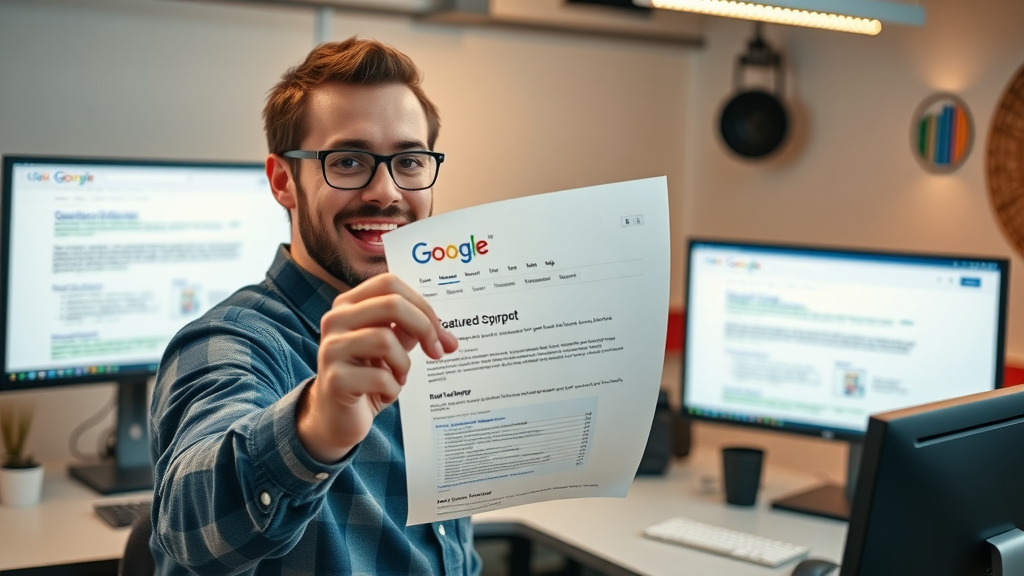
content creator formatting blog post for featured snippet placements in google search engines

Common Blogging for SEO Mistakes and How to Avoid Them

  • Over-optimizing with keywords: Stuffing your blog posts with too many keywords can actually harm rankings and alienate readers. Opt for natural keyword integration focused on search intent.
  • Ignoring user experience: Slow-loading pages, confusing layouts, and walls of text drive up bounce rates. Always prioritize clarity and usability.
  • Neglecting meta description and alt text elements: Skipping these critical SEO components can cost you valuable organic click-throughs and limit the impact of your visuals.

The Future of Blogging for SEO: Trends, AI Power, and Content Velocity

"AI-driven content optimization is setting a new standard for blog SEO, making quality and speed more important than ever."

marketer using AI tools for content planning and blogging for SEO at increased content velocity

The pace of change in search engine optimization is accelerating, driven in large part by advances in artificial intelligence. Today, AI tools analyze search intent, predict trending topics, and even help automate content creation—giving marketers an unprecedented edge in the race for rankings and organic traffic. As content velocity becomes a bigger ranking factor, those who use AI to scale high-quality blog SEO will pull ahead.

The most successful blogs in the coming years will harness AI-powered insights to publish faster, smarter, and with greater focus on user intent and search engine requirements. This new era of blogging for SEO is about combining creativity, data-driven strategy, and technological tools to create a sustained competitive advantage.

How AI Is Changing SEO and Search Engine Strategies

  • Leveraging AI tools for content planning: AI tools identify keyword trends, map out content clusters, and recommend topics based on real search data.
  • Increasing blog post publishing velocity for better search engine visibility: Automating content workflows enables faster publishing and increased topical authority in your niche.

Maximizing Your Results: Case Studies and Real-World Blogging for SEO Success

Case Study Approach Results
SaaS Company Increased blog content and tailored for search intent 220% organic traffic growth in 6 months
E-commerce Blog Featured snippet optimization 50% boost in click-through rate

These case studies demonstrate the real-world power of strategic blogging for SEO. By focusing on content velocity , search intent, and on-page SEO elements like featured snippets and alt text, brands can achieve remarkable growth—even in highly competitive industries. The lessons are clear: consistent, optimized content creation pays off.

Notice how both businesses supplemented their efforts with ongoing keyword research, structured internal links, and data-driven updates to old blog posts. Think of blogging as an evolving strategy, not a one-off project—continuous improvement is the path to outpacing your competitors in organic search.

Is blogging good for SEO?

Absolutely. Blogging for SEO drives more organic traffic by providing fresh, relevant content that matches user search intent. Each well-optimized blog post adds new entry points for users on Google and helps improve your website’s overall authority.

What is SEO in blogging?

SEO in blogging means optimizing your blog content so it ranks high in search engine results. This involves keyword research, using internal links , optimizing meta descriptions and title tags, and structuring posts for both users and search engines.

Is blogging for SEO dead?

Not at all! Blogging for SEO is evolving, not dying. With new strategies like AI-powered content and featured snippet optimization, consistent blogging remains one of the best ways to boost your rankings and organic traffic.

How to write blogs for SEO?

Research your target keywords and search intent , craft high-quality content around them, structure posts with logical headings, use internal links, optimize with descriptive meta descriptions and alt text , and update older posts over time.

Frequently Asked Questions About Blogging for SEO

  • How many blog posts are needed for SEO results?
    SEO results can begin with just a few well-optimized blog posts, but consistent publishing (at least 2-4 posts per week) accelerates organic traffic growth and authority building.
  • Which SEO tools help automate blogging strategies?
    Tools like SEMrush, Ahrefs, Clearscope, and SurferSEO help automate keyword research, content optimization, and performance tracking for your blog SEO.
  • What are the best practices for alt text in blog images?
    Use concise, descriptive language and include target keywords when relevant. Alt text should explain the image’s purpose and its relationship to the blog post topic.
  • Should you update old blog content for better SEO?
    Yes. Regularly update outdated information, optimize for new keywords, and refresh meta descriptions to continually boost your blog posts’ visibility in search engines.

Key Strategies Recap: Implement These Blogging for SEO Techniques Today

  • Consistently publish keyword-optimized content
  • Prioritize user search intent
  • Leverage internal links and effective meta descriptions
  • Harness AI for content planning and increased content velocity

Ready to Transform Your Rankings? Harness the New Era of Blogging for SEO

As AI powers visibilty, traditional SEO becomes less and less valuable. Blogging is the new visibility, and content velocity is the key to its leverage. Learn more with Stratalyst AI at https://stratalystai.com .

What you'll learn

  • The fundamentals and latest techniques in blogging for SEO
  • How to conduct advanced keyword research for blog SEO
  • Optimizing blog content for search engine algorithms
  • Strategies for maximizing organic traffic and achieving top rankings
  • The impact of AI and content velocity on SEO success

Visual Guide: Blogging for SEO Best Practices Video

Step-by-step walkthrough of best practices for blogging for SEO, including keyword research, content optimization, and live on-page SEO improvements, using screen recordings, voiceover, and visual highlights.

Video Demonstration: Keyword Research Tools for Blog SEO

Watch a detailed demonstration of how to use the top keyword research tools to find high-value keywords for your blog SEO strategy, featuring up-to-date examples and live walkthroughs.

Start today—publish often, optimize every detail, and embrace AI to supercharge your blogging for SEO. Consistent action delivers compounding search results, helping your business secure top rankings faster than ever before.


GEO & SEO

14 Views

0 Comments

Write A Comment

*
*
Related Posts All Posts
12.18.2025

Unlocking Search Engine Dominance: Why Traditional SEO Alone Doesn’t Cut It Anymore

Unlocking Search Engine Dominance: Why Traditional SEO Alone Doesn’t Cut It AnymoreIn today’s fiercely competitive digital world, simply following the old playbook of SEO is no longer enough. For law firm partners and business leaders seeking search engine dominance, the battleground has shifted: artificial intelligence now dictates the terms of engagement, and only those who rethink their strategies will rise above the noise. CJ Coolidge, the visionary behind Stratalyst Media and architect of the AI-powered Visibility Engine, pulls back the curtain on what it truly takes to earn and hold top visibility in the AI-driven era. According to CJ, the idea that you can just deploy AI generative content and instantly soar in rankings is a dangerous myth—yet one still believed by many professionals wrestling with how to be seen."Simply using AI generative content automatically boosts search rankings? No. Even with AI, human expertise and relevant optimization still matter a lot." – CJ Coolidge, Stratalyst MediaTraditional SEO once focused on stuffing pages with keywords or following a static set of rules. Today’s algorithms—and especially AI-powered search systems—reward a very different skillset. “To truly dominate search, you need more than polished copy. You need content that’s engineered with real-time data, optimized for both humans and machines, and aligned with exactly what modern algorithms are seeking,” CJ asserts. This rapidly evolving reality means that the foundational pillars of search visibility—authority, semantic depth, structural clarity, and machine readability—must all be perfectly orchestrated, every single time.Beyond Keywords: The Multi-Layered Optimization That AI EnablesIt’s easy to believe that if an article reads well and includes a few target phrases, it should easily win rankings. But as CJ Coolidge reveals, today’s landscape is far more nuanced. AI-driven optimization now spans multiple layers, each equally critical to achieving and sustaining search engine dominance. For law firms and businesses, ignoring these factors means falling behind—and often never being seen by prospective clients at all.Dynamic SERP Signal AnalysisReal-time Headings Tagging (H1, H2, H3) and Structural BalanceSemantic Relevance and Topic AuthorityUser Experience and Machine Readability FactorsCJ emphasizes how real-time analysis—constantly studying what’s already ranking, how content is structured, and which signals Google and AI platforms reward—is not just helpful but essential. “Trying to replicate this level of precision manually would require a team of experts working around the clock, and even then, the margin for error is huge,” he notes."It would take several humans working hours to match the level of real-time optimization my AI system generates during article creation." – CJ Coolidge, Stratalyst MediaThis layer cake of optimization isn’t just academic; it drives real results and is a competitive moat that most firms, by sticking with traditional means, simply cannot cross. CJ’s proprietary approach leverages AI to synthesize live SERP data, ensuring every heading, every paragraph, and every answer aligns tightly with both the human reader’s need and the machine’s appetite for structured, authoritative information.The Critical Gap: Why Well-Written Content Often Fails Search VisibilityYou’ve written an “A+” article. It’s packed with valuable insights, it’s polished, and it reads beautifully. Shouldn’t it be ranking at the top? As CJ warns leaders and marketers, this is a common and costly misconception. He recounts an experience where two seemingly excellent articles—one crafted by a human, another by a cutting-edge AI—were put head-to-head. While both read well and sounded authoritative, a deeper dive exposed the brutal truth: one would remain utterly invisible online.17 Invisible Barriers That Keep Content UndiscoveredCJ conducted a real-world test that starkly illustrates this gap in search visibility. “I showed a client that their AI-generated article, while beautifully written and keyword-focused, was invisible to the very algorithms it was meant to impress.” The reason? It failed to include dozens of critical optimization elements—17 distinct areas, to be exact—which modern search engines use to evaluate, index, and display content. Examples include alignment with top SERP signals, correct and balanced use of heading tags, semantic overlap with high-ranking pages, and technical structuring invisible to the average writer."A perfectly crafted article might never surface because it lacks the specific machine-readable elements AI-driven search engines demand." – CJ Coolidge, Stratalyst Media“Most legal and professional writers simply don’t realize how many invisible tripwires exist between a well-written article and an article that wins rankings,” CJ explains. The reality is that without these multi-dimensional optimizations—technical, structural, semantic—content will remain hidden, no matter how compelling its narrative or insights. According to CJ, it’s not that these professionals lack expertise; rather, it’s that the new rules of the game are unreadable to humans without advanced AI systems orchestrating every layer in real time.Adapting to the New AI-Driven Search Landscape: What Law Firm Partners and Business Leaders Must KnowA seismic shift is happening in how professionals and clients search for information. The era of the 10-link Google results page is waning—replaced by AI-driven engines that provide direct, conversational answers and ruthless selectivity. For legal professionals and business leaders, understanding and adapting to these new dynamics is no longer optional. If your insights are not optimized for both AI and human audiences, they’ll never see the light of day.The Rise of Conversational AI Search and Its Impact on VisibilityCJ offers a wake-up call to those still relying solely on aging SEO tactics. “At this present moment, 53 percent of searches are no longer going through Google. They’re going through platforms like ChatGPT,” he reveals. These platforms don’t return a sprawling list; instead, they spotlight only the top one to three answers that best match the user’s intent. This upends not only visibility, but also how authority, expertise, and topical relevance are judged and rewarded.53% of current searches bypass Google, using AI platforms like ChatGPTAI engines deliver only the top 3 relevant answers, not a list of resultsContent must answer exact questions clearly and be optimized for machinesToday’s law firm partners and business leaders must recognize that their old content strategies simply won’t earn them a seat at the digital table. The game’s goal is not just to create answers, but to make them the most findable, authoritative, and AI-friendly responses available.Building a High-Volume, AI-Optimized Content Pipeline to Own Your Search SpaceSo how do you claim lasting search engine dominance in a world where both the rules and the referees have changed? CJ’s answer is unambiguous: smart systems, powered by AI and informed by real-time market signals, are the only way forward. According to CJ, “Lawyers and businesses need to flood the market with highly targeted, machine-optimized, question-and-answer content—designed for both the client and the algorithms that now control discovery.”Develop a wide set of question-answer content aligned to client intentEnsure machine readability combined with human clarityLeverage AI tools to orchestrate real-time optimization and taggingCJ’s proprietary content infrastructure handles what would take a human team days or weeks: scanning real-time SERP data, dynamically balancing heading tags, structuring semantic layers, and ensuring every asset is delivered in a format both Google and AI-driven engines prefer. This scale and speed empower law firms, business owners, and consultants alike to dominate their digital domains and stay visible—regardless of algorithm shifts or industry changes.Key Takeaways: Commanding Search Engine Dominance in the Age of AIAI content creation requires multi-dimensional optimization beyond writing.Real-time SERP analysis and technical tagging are essential and impractical manually.AI-driven search platforms prioritize precise, machine-readable answers over volume alone.Law firm partners must scale intelligent, question-driven content to secure visibility.“Lawyers need to create content at a huge volume that answers all client questions clearly for both machines and people—or they won’t be seen.” – CJ Coolidge, Stratalyst MediaThis new paradigm isn’t about out-writing the competition; it’s about out-optimizing and out-intelligencing them. Leaders who equip themselves with intelligent, real-time systems—and who accept that the visibility game has changed fundamentally—will be the ones who dominate their search categories for years to come.Conclusion: Seize Search Engine Dominance Before Visibility Slips AwayTraditional SEO approaches are insufficient in the evolving AI search ecosystem.Adopting AI-powered, real-time content optimization is crucial for lasting impact.Building media channel ownership through intelligent content systems sets you apart."Every company is one algorithm update away from obscurity. Strategic AI content systems safeguard your visibility and growth." – CJ Coolidge, Stratalyst MediaThe path to search engine dominance is now both a challenge and an opportunity. Business leaders, law firm partners, and marketing decision-makers: the rules have changed, and the stakes are nothing less than your brand’s future relevance and growth. Don’t wait until your authority evaporates with the next algorithmic shift. Invest in AI-powered content infrastructure—systematically answer your audience’s questions, ensure both human and machine readability, and build true media channel ownership. As CJ Coolidge eloquently puts it, every leader is just one step from obscurity or from becoming the voice their industry trusts. Choose dominance, and let your expertise be the answer that rises above the rest.In the rapidly evolving digital landscape, understanding the nuances of search engine dominance is crucial for law firm partners and business leaders aiming to enhance their online visibility. The article “Search Engine Market Share 2025: Is Google Losing Its Dominance to AI and Competitors?” provides an in-depth analysis of the current market dynamics, highlighting how Google’s share has dipped below 90% for the first time in a decade, and how competitors like Bing and Yandex are gradually gaining traction. (linkedin.com) Additionally, the piece “Google’s Search Dominance Faces Rising Alternatives Amid Antitrust Scrutiny” explores the impact of emerging AI-driven search platforms and the increasing regulatory pressures challenging Google’s supremacy. (webpronews.com) For professionals seeking to navigate and capitalize on these shifts, these resources offer valuable insights into the changing search engine landscape.

12.05.2025

Unlocking Search Engine Dominance via AI-Powered Content Optimization Techniques for Law Firm Partners

CJ Coolidge’s Core Insight: Why Law Firms Must Evolve Beyond Traditional SEO for Search Engine Dominance In today's fast-moving digital ecosystem, search engine dominance isn't won through familiar tricks or yesterday’s SEO playbook. For law firm partners and business leaders seeking market authority, relying on well-written content or basic keyword strategies has quietly become obsolete. CJ Coolidge, founder of Stratalyst Media and architect behind the AI Visibility Engine, has seen firsthand how the rules have changed—and what’s at stake for those who don’t evolve. According to CJ Coolidge, many professionals cling to the belief that polished content and keyword density will somehow still capture algorithmic favor. But today’s AI-powered search platforms demand far more. “The most common misconception is that simply using AI to generate content guarantees better rankings, when in reality, search algorithms have grown to reward only the most original, experience-backed, and machine-readable content,” Coolidge emphasizes. For law firms, the transition from tradition to innovation is both a challenge and a seismic opportunity: those who understand AI’s real criteria will define the new order of visibility online. "Just creating polished, well written content isn't enough anymore. Our experience with a doctor’s AI generated article showed that without critical optimization signals, even the best content remains invisible to search engines." — CJ Coolidge, Stratalyst Media Understanding the Shift: From Keyword Stuffing to AI-Powered Semantic Relevance The era of chasing vanity keywords and packing paragraphs with repeated terms is over. As Coolidge notes, SEO has matured into a science of semantic relevance. “SEO isn’t just about keywords anymore. AI tools demand content that integrates topic authority, semantic relevance, and a balanced internal structure to rank well,” he asserts. This paradigm shift means that law firms aiming for search engine dominance cannot afford to stick to legacy methods. Instead, they need to embrace AI-driven semantic optimization and topic modeling that put their expertise into context. Today’s AI engines are not only reading the words but also analyzing how each content component—headers, internal links, content clusters—forms a thematically rich, authoritative answer to user intent. “Firms who overlook these layers will see their content drown among invisible, underperforming articles,” says Coolidge. "SEO isn't just about keywords anymore. AI tools demand content that integrates topic authority, semantic relevance, and a balanced internal structure to rank well." — CJ Coolidge, Stratalyst Media Topic authority is crucial for AI readability. Semantic relevance drives deeper connections with search intent. Proper tagging with H1, H2, H3 is essential for machine processing. The Invisible Barrier: Why Well-Written Articles Fail Without AI-Driven Optimization Many legal professionals take pride in crafting immaculate articles, meticulously edited and well-organized. Yet, as Coolidge’s direct experience reveals, machine invisibility is the silent killer of great writing. Drawing from a recent real-world scenario, Coolidge recounts how an AI-generated article, though exceptional in clarity and keyword alignment, earned an “A” academically—but failed the visibility test. When run through an AI evaluation tool, it was flagged for 17 critical omissions, all tied to machine-readable optimization signals absent from its structure. CJ Coolidge explains: “It would take several humans working multiple hours just to approximate what my system produces in real-time, and even then, they’d risk crucial errors.” What separates leaders in search engine dominance isn’t just writing quality—it’s embedding real-time SERP insights, header architecture, and content balance that current AI search engines require for ranking. For most professionals, these elements are invisible, yet their absence is the reason even the best articles evaporate into obscurity online. "The article was a delightfully well written piece but scored 17 reasons why it would never appear on search engines because it lacked machine-readable optimization elements." — CJ Coolidge, Stratalyst Media Key Optimization Elements Often Missed by Law Firm Partners Real-time SERP signal comparison and adjustment Structured tagging with accurate headers (H1, H2, H3) Dynamic content balance tailored for evolving AI algorithms The Futuristic Search Paradigm: AI-Powered Engines and the Decline of Traditional Google Ranking Search engines are no longer what they used to be—and neither is the path to search engine dominance. According to CJ Coolidge, a tipping point has already arrived. “Today, 53% of searches bypass Google, turning to AI chat platforms like ChatGPT that prioritize just a few authoritative answers visible to users,” he observes. Instead of a familiar list of blue links, users now interact with conversational AI, and visibility is limited to a select handful of machine-favored answers. This means traditional SEO strategies alone are rapidly losing relevance. Firms must now compete for a seat among the top 2-3 answers that AI platforms surface for any given query. The implications are profound: Unless content is crafted to directly and clearly answer targeted searcher questions and is machine optimized for AI reading, it simply won’t appear—no matter how well it’s written or how established the firm. The power has shifted decisively into the hands of the algorithms, and those who master these new requirements will control the digital narratives of their fields. "Today, 53% of searches bypass Google, turning to AI chat platforms like ChatGPT that prioritize just a few authoritative answers visible to users." — CJ Coolidge, Stratalyst Media Implications for Law Firm Content Strategy Produce voluminous, highly optimized content that directly answers client questions Ensure machine-readable formatting to align with AI engine demands Continuously adapt content strategies to AI driven search behavior How CJ Coolidge’s AI Visibility Engine Transforms Content Creation and Optimization For law firm partners seeking a definitive edge, CJ Coolidge has designed the AI Visibility Engine—a solution purpose-built for search engine dominance in the AI era. Unlike traditional workflows, this advanced tool delivers real-time, multi-factor SEO analysis during content creation, ensuring every article is fully aligned with the intricate and evolving factors that AI search engines prioritize. Instead of requiring teams of experts laboring for hours, the AI Visibility Engine automates complex structure tagging, live SERP intelligence, and semantic modeling. According to Coolidge, “This reduces human error and accelerates optimization to a level previously unthinkable for law firms or professional practices.” This isn’t just about better rankings; it’s about owning your narrative—controlling your media channels, amplifying your thought leadership, and future-proofing your authority as algorithms and search habits evolve. Delivers real-time multi-factor SEO analysis during content creation Automates complex structure tagging and SERP signal integration Reduces human error and exponentially speeds optimization process Actionable Takeaways for Law Firm Partners and Marketing Leaders Seeking Search Engine Dominance CJ Coolidge’s message resonates for ambitious leaders across industries: success in digital visibility now comes down to who best leverages AI for depth, relevance, and strategic frequency. Those who treat AI as a mere content generator miss the point entirely—real breakthroughs occur when firms use AI to architect semantically rich, structurally sound, and highly optimized authority assets, distributed in ways algorithms love and audiences trust. “The next disruption won’t come from your competitors—it will come from the algorithms deciding who appears,” warns Coolidge. Law firms, consultants, and enterprise marketers alike: This is the era to control your own story and distribution, prioritize machine-readability, and deploy comprehensive optimization at scale. That’s how search engine dominance is built on durable, algorithmic trust—not rented reach. Embrace AI tools that do more than generate content—they must optimize for AI search algorithms. Prioritize producing authoritative, semantic-rich, and structurally sound content regularly. Prepare for the AI-driven future of search by controlling your media channels and narratives. Summary: Adapt, Optimize, and Dominate with AI-Enhanced Content Strategies Adapting to the AI-driven future of search is no longer optional—it’s the difference between being a visible authority and vanishing beneath the digital fold. Law firm partners and growth-focused businesses must build content ecosystems that answer real questions, are meticulously optimized for both algorithmic and human audiences, and evolve continuously with technological shifts. As CJ Coolidge observes, “If you want to remain visible in the age of AI-driven search, you must create content machines that answer questions clearly and are structured for AI reading as well as human understanding.” The most lasting advantage belongs to those who combine expertise, automation, and narrative control—securing durable presence and search engine dominance for their brand and clients now and into the algorithmic future. "If you want to remain visible in the age of AI-driven search, you must create content machines that answer questions clearly and are structured for AI reading as well as human understanding." — CJ Coolidge, Stratalyst Media Next Steps for Law Firms Ready to Own Search Engine Dominance Assess current content for machine-readable optimization gaps. Implement AI-integrated content systems that adapt dynamically to SERP signals. Leverage expert guidance to build proprietary media channels and AI-driven content strategies. The next disruption won’t come from your competitors—it will come from the algorithms deciding who appears. Learn how AI Integrated Authority Systems™ protect organizations from digital erasure at StratalystAI.com In the rapidly evolving digital landscape, understanding the dynamics of search engine dominance is crucial for law firms aiming to enhance their online visibility. The article “Search Engine Market Share 2025: Is Google Losing Its Dominance to AI and Competitors?” provides an in-depth analysis of Google’s declining market share and the rise of AI-driven search alternatives. Additionally, “Google’s Search Dominance Faces Rising Alternatives Amid Antitrust Scrutiny” explores how emerging competitors and legal challenges are reshaping the search engine market. These resources offer valuable insights into the current trends and strategic considerations for law firms seeking to adapt their digital marketing strategies effectively.

07.17.2025

SEO-Friendly Blog Writing: Write Posts That Rank Fast

Did you know that in 2024, over 90% of online experiences begin with a search engine—yet only 10% of blog posts receive organic traffic? That’s right: despite the sheer volume of blogs published daily, only a select few ever reach the coveted Page 1 of Google. The difference is clear—those that follow SEO-friendly blog writing practices consistently outperform the rest. In this guide, you’ll discover practical, actionable strategies to ensure your next blog post not only attracts but retains the attention of your target audience—and search engines alike. Why SEO-Friendly Blog Writing Sets You Apart: Eye-Opening Insights In 2024, over 90% of online experiences begin with a search engine—yet only 10% of blog posts receive organic traffic. Transform this statistic with actionable SEO-friendly blog strategies. The digital landscape is more crowded—and more competitive—than ever. To rise above the noise, adopting SEO-friendly blog writing is not optional, but essential. A typical blog post that neglects search engine optimization can easily be buried beneath thousands of others. However, mastering a few key strategies—such as keyword research, quality content, and thoughtful internal linking—can dramatically increase your chance of reaching users searching for your expertise. Implementing SEO-friendly tactics in your blog posts is not just about pleasing algorithms. It’s about delivering exactly what your readers need, precisely when they’re searching for it. When you use tools like meta descriptions, keyword-rich headers (h2, h3), and alt text for images, you help search engines and your audience simultaneously. These best practices set your work apart, attracting organic traffic and establishing long-term authority in your niche. Achieve Broad Reach: What You’ll Discover About SEO-Friendly Blog Writing How to align your blog post with search engine intent Efficient keyword research for SEO-friendly blog content Crafting compelling headlines and meta descriptions Best practices for internal links and alt text Ways to audit and optimize existing blog posts for search engines This guide will walk you step by step through every part of the SEO-friendly blog writing process, whether you’re starting a new post or optimizing existing content. By the end, you’ll have the skills to align with user search intent, speed up your keyword research, craft must-click headlines, optimize images with alt text , strengthen your internal linking, and ensure all blog posts are engineered for high visibility in search engine results . Mastering the Basics: What is SEO-Friendly Blog Writing? SEO-friendly blog writing refers to the deliberate creation of blog posts that are optimized for both readers and search engines. It goes beyond simply inserting target keywords: it’s about producing quality content that aligns with search intent , utilizes clear meta descriptions, and provides a great user experience. At its core, this approach ensures your friendly blog posts are discoverable, relevant, and engaging. To achieve effective results, you must focus on the fundamentals. This includes a clear understanding of what users are searching for, strategic keyword research , and an organized structure with H1, H2, and H3 headers. Optimizing meta descriptions and alt text enables better ranking in engine results, while keeping content user-friendly and informative ensures longer engagement and more shares. Let’s break down these core principles. The Core Principles of SEO Content for Blog Posts Understanding the role of keyword research Importance of search intent in blog post creation How meta descriptions enhance SEO-friendliness Successful SEO content for your blog post always begins with keyword research . Identifying a focus keyword and related keywords enables you to match your writing to what your audience is actively searching for—the essential first step in bringing organic traffic. Search intent digs even deeper, ensuring your content answers the specific needs behind a search term, be it informational, navigational, or transactional. Another critical element is the meta description . This 150-160 character summary appears beneath your headline in search engine results and can directly impact your click-through rate. Concise, relevant meta descriptions that use the main keyword help both users and search engines understand the value of your content, boosting your rankings and encouraging more visits. Step-By-Step Guide: Writing a High-Impact SEO-Friendly Blog Post Creating blog posts that rise to the top isn’t about luck—it’s about methodical SEO-friendly blog writing . Here’s a comprehensive, actionable blueprint that will help you master every step from topic selection to hitting publish. Keyword Research for Powerful SEO Content Identify high-ranking related keywords for your friendly blog post Analyze competitors with keyword research tools Begin every blog post by choosing a target keyword that is relevant, high-volume, and realistic for your site’s authority level. Use a keyword planner or a powerful research tool like SEMrush, Ahrefs, or Google Keyword Planner to identify high-value keywords and related keywords that you can naturally incorporate. Analyze the top-ranking blog posts for your main keyword. What subtopics do they tackle? Which secondary keywords and phrases occur most frequently? This helps search engines categorize your blog content and determine its relevance for users’ queries. Beyond volume, factor in search intent . Are users looking to learn (“how to”), compare (“best X for Y”), or buy? Tuning your content to match this intent boosts the odds your friendly blog post will satisfy both users and search engines, elevating your chance of ranking. Structuring Your Blog Post for Search Engines and Audiences Crafting SEO-optimized h1, h2, h3 headers Effective use of meta descriptions Creating engaging introductions and conclusions Effective structure is pivotal in SEO-friendly blog writing . Start with an H1 that features your main keyword and clearly states what the blog post offers. Use H2 and H3 headers to guide readers and search engines through your core ideas, using related keywords and variations of your target keyword. This boosts readability and helps algorithms quickly understand your post’s structure and relevance. Each section should begin with a compelling summary, followed by practical examples or deeper explanation. The meta description should give a concise, irresistible overview to encourage clicks from the search engine results. Finally, close with a clear, strong conclusion that directs users to an action, such as commenting, sharing, or exploring more content. Optimizing Meta Descriptions and Alt Text for Blog Posts Best practices for meta descriptions in friendly blog writing How to write alt text that boosts your SEO content A winning meta description captures attention, summarizes the page in 150-160 characters, and seamlessly integrates the main keyword . Use action words, highlight the core benefit, and avoid duplicating content from your first paragraph. The right meta description helps search engines present your blog post more prominently and motivates clicks. Optimizing alt text has a dual benefit: it makes your blog accessible for all users and improves SEO. Keep alt text short—descriptive, keyword-relevant, and clear. For each image, describe what’s shown and, where appropriate, weave in your focus keyword or a close variant. By doing so, you help search engines index your visual content and boost your blog’s authority, especially in image searches. Crafting Content That Dominates: Advanced SEO Strategies for Blog Posts Once the basics are mastered, it’s time for strategies that move the needle even further. These advanced approaches help your friendly blog post become not only discoverable, but dominant in search engine rankings. Leveraging Internal Linking and Related Keywords in SEO-Friendly Blog Posts Building effective internal links for blog post authority Utilizing related keywords to enhance SEO content Internal linking is the art of connecting your own blog posts together with smart anchor text . This serves two functions: spreading link authority throughout your website and guiding readers to related information they’re likely to value. Each post should naturally include 3-5 internal links to other, relevant blog entries. Go beyond the main keyword. Sprinkle related keywords throughout your content to add contextual depth, helping search engines understand your blog’s scope, boosting your chance of ranking for secondary searches, and increasing the user’s time on page. This combination strengthens topical expertise and trust. Matching Search Intent with Every Friendly Blog Post Adapting your content based on user search intent Creating content for informational, navigational, and transactional searches Search intent is the why behind the search term—a crucial consideration for SEO-friendly blog writing . Are users trying to learn something new, compare options, or buy a product? Effective blog posts adapt to this intent within each piece. Informational posts might break down complex processes or offer how-tos. Navigational posts point to specific resources, while transactional intent gets ahead by offering comparisons, reviews, or calls to buy. By building unique combinations of keywords and sections within your friendly blog post , you signal to search engines exactly what user needs you fulfill. That means better visibility, more qualified visitors, and higher conversion opportunities. Create Content for Both Users and Search Engines Writing compelling, informative, and readable blog posts Balancing keyword use with natural, engaging prose The best SEO content is always written for people first—and optimized for search engines second. Focus on providing value: answer questions clearly, include actionable tips, and format posts for easy scanning with short paragraphs, lists, and bolded key terms. Avoid keyword stuffing ; instead, blend focus keywords and related phrases organically, while making your stories, examples, and advice feel relatable. "Google only loves you when everyone else loves you first." – Wendy Piersall Remember, a well-written friendly blog post not only ranks due to technical optimization, but because users spend time on your site, share your content, and return for more. This helps search engines recognize and reward consistently high-value content. Proven Techniques and Hacks: Fast-Tracking Your SEO-Friendly Blog Results How to audit existing blog posts for search engine visibility Utilizing content velocity to accelerate rankings Best SEO tools for blog writers in 2024 Already have a library of content? Use tools such as Google Search Console, SEMrush, or SurferSEO to audit and optimize posts for missed opportunities. Check for proper keyword placement, effective meta descriptions, and the presence of internal links . These steps ensure every blog post is updated for current search engine algorithms. Content velocity—the rate at which you publish quality blog posts —is setting new standards in 2024. Regular updates and fresh posts signal authority and relevance to search engines , giving your site an edge. Mastering these proven techniques can fast-track your path to prominent rankings. Visual learners can maximize results by following a step-by-step video tutorial focused on optimizing your blog for both users and search engines. (Embed relevant video here.) Tables: Key Components of an SEO-Friendly Blog Post Key Components of an SEO-Friendly Blog Post Component Description Best Practice Keyword Placement Use in H1, H2, H3, first 100 words Naturally and strategically Meta Description 150-160 characters Clear summary with target keyword Internal Links 3-5 per post Relevant contextual anchors Alt Text Every image Describe image and include keyword if relevant SEO-Friendly Blog Writing Checklist for Success Conduct keyword research and analyze competitors Map out user search intent Outline with keyword-rich h1, h2, and h3 headers Optimize meta descriptions and alt text for every image Add internal and external links relevant to the topic Following this checklist for every blog post will ensure your content is not only discoverable by search engines but also highly valuable to your target audience. This helps search engines assign higher trust to your site, and your readers will notice the difference in quality and utility. People Also Ask: How to Write a SEO Friendly Blog? To write a SEO friendly blog, focus on keyword research, align your content with search intent, use clear headers (h1, h2, h3), optimize images with alt text, and craft a compelling meta description. Ensure your post provides value, readability, and internal links to other relevant blog posts. The secret to writing an SEO-friendly blog is balancing optimization with a genuine, helpful voice. Keyword research uncovers what your target audience wants, while a focus on search intent ensures you deliver. Maintain a logical flow with clearly marked headers, optimize all on-page elements, and always aim for quality content that answers readers’ real questions. People Also Ask: How to Check If a Blog is SEO Friendly? Check if your blog has relevant keywords in headers, an optimized meta description, proper use of internal links, and alt text for all images. Tools like Google Search Console and SEMrush audit your posts for SEO elements and flag areas for improvement. Assessing a blog’s SEO-friendliness is straightforward when knowing what to look for. Start with a technical audit: check for the main keyword in H1 and within the first 100 words, evaluate the meta description for clarity and relevance, and make sure internal links use descriptive anchor text. Ensure each image has alt text that ties back to the subject. These techniques help search engines and users alike. People Also Ask: What is SEO Friendly Content Writing? SEO friendly content writing combines strategic keyword use, naturally written content, optimized meta descriptions and alt text, and a structure tailored to both users and search engines, ensuring high discoverability and relevance. True SEO-friendly content embraces both art and science. It’s not about overstuffing keywords, but using them thoughtfully within naturally flowing writing. This includes headline optimization, clear structure, value-driven information, and the technical details—like meta and image optimization—that together propel content to the top of the search engine results. People Also Ask: Is Blogging Still Good for SEO? Blogging is still essential for SEO in 2024 as search engines prefer fresh, valuable content. High-quality, SEO-friendly blog posts drive traffic, build authority, and help websites rank for a greater set of keywords than static pages alone. Yes, blogging remains a powerhouse for SEO—perhaps more so than ever. Regularly published, well-optimized blog posts show both users and search engines your website is active, authoritative, and trustworthy. This ongoing effort increases the range of search terms you can rank for, brings in new organic traffic, and strengthens your domain authority over time. FAQ: Your Questions About SEO-Friendly Blog Writing Answered What role does keyword research play in SEO-friendly blog writing? Comprehensive keyword research sets the foundation for your blog by identifying topics with the greatest traffic and ranking potential, aligning content with actual user searches, and steering you clear of overly competitive or irrelevant terms. How often should I update my blog posts for better SEO? Updates every 3-6 months are recommended. Refresh data, expand sections, and update internal links to signal to search engines that your content remains relevant and valuable. Does image optimization and alt text still matter in 2024? Absolutely. Optimized images and alt text continue to drive both accessibility and extra search engine traffic, especially as visual search becomes more prominent. Can I use AI to accelerate my SEO content creation? Yes. AI tools can suggest keywords, analyze competitors, and help you outline or generate drafts—speeding up the SEO content process while maintaining quality, provided you review and revise for unique value. Power Up Your SEO-Friendly Blog Writing: Strategies for Ongoing Success Revisit and update content regularly for higher rankings Track SEO performance with the latest analytics tools Explore AI-powered solutions to boost your content velocity Want to see AI in action? Watch this video explaining how AI tools streamline the process of researching, drafting, and scaling up SEO-friendly blog writing—without sacrificing quality or uniqueness. (Embed video here.) Real-World SEO-Friendly Blog Post Examples Showcase of blog posts ranking on Page 1 Breakdown of their SEO elements and strategies used Consider a top-ranking guide on “plant-based nutrition”: It opens with an intent-matched introduction, targets long-tail and related keywords throughout H2/H3s, features scannable lists and images with descriptive alt text , links to supporting articles, and includes a strong meta description. Each element is intentional, replicable, and rooted in the best practices outlined above. Want a deeper breakdown? Watch an expert walk through live examples of SEO-friendly posts that have climbed to the first page, highlighting the techniques and formats you can emulate for your own success. (Embed video here.) Action Steps: Launching Your Next SEO-Friendly Blog Post Plan with keyword and search intent research Write with SEO-friendly structure and meta elements Review with technical and on-page SEO tools Publish, promote, and monitor results Iterate using analytics and user feedback The Future of SEO-Friendly Blog Writing: Adapt and Accelerate with Content Velocity Emerging trends: AI content creation, Google’s evolving algorithms, and user-focused SEO How content velocity shapes blog ranking success As AI tools and search engine algorithms continue to evolve, rapid, consistent publication of new, quality blog posts —known as content velocity—offers a compounding advantage. The future belongs to those who adapt, embracing automation for ideation and routine tasks, but elevate every post with real insight and user focus. "Content velocity is the new SEO. Outpace your competition, and authority follows." Start Your SEO-Friendly Blogging Journey Today As AI powers visibility, traditional SEO becomes less and less valuable. Blogging is the new visibility, and content velocity is the key to its leverage. Learn more with Stratalyst AI at https://stratalystai.com Conclusion: Take the next step now: combine smart keyword research with ongoing optimization and strategic content velocity to rank your blog posts faster and further than ever before.

Terms of Service

Privacy Policy

Core Modal Title

Sorry, no results found

You Might Find These Articles Interesting

T
Please Check Your Email
We Will Be Following Up Shortly
*
*
*