Add Row
Add Element
cropper
update

[Company Name]

Stratalyst AI Logo
update
Add Element
  • Home
  • Categories
    • Digital Marketing
    • AI Visibility Tools
    • Predictive Content
    • Authority & Credibility
    • GEO & SEO
  • Contact Us
  • All Posts
  • Digital Marketing
  • AI Visibility Tools
  • GEO & SEO
  • Predictive Content
  • Authority & Credibility
June 12.2025
1 Minute Read

Unlock How machine learning in marketing Transforms ROI

Imagine achieving up to 30% better ROI simply by adopting advanced technology in your marketing strategies. Machine learning in marketing isn’t just a buzzword—it’s a transformative force reshaping digital marketing, empowering brands with actionable data and predictive power. In this article, you’ll discover how the smartest companies are turning numbers into opportunities, outpacing competitors, and ushering in a new era of intelligent decision-making.

From practical examples to industry-leading case studies, we’ll guide you step-by-step through everything you need to know about using machine learning models to optimize your marketing campaigns and unlock the true potential of your marketing spend.

The Transformative Power of Machine Learning in Marketing: A Statistical Perspective

  • Recent research reveals that companies leveraging machine learning in marketing report up to 30% better ROI than their competitors—a game changer for modern digital marketing strategies.

Insightful business meeting on machine learning in marketing, executives analyzing data dashboards, digital screens display ROI statistics

Businesses are rapidly realizing the transformative power of machine learning in marketing . According to current industry data, organizations embracing machine learning technology can achieve ROI increases of up to 30% compared to their peers. This significant uplift stems from machine learning’s ability to process massive volumes of customer data , uncover trends, predict outcomes, and automate decision-making faster and more accurately than ever before. By embedding learning algorithms across the marketing funnel, companies become more precise in targeting, streamline marketing campaigns , and adapt strategies in real-time—all of which drive improved conversion rates and higher customer engagement. Such results signal a paradigm shift in how brands formulate their marketing strategies, with data science and predictive analytics cementing their place at the heart of high-performance digital campaigns.

Not only does the integration of machine learning in marketing offer a measurable advantage in terms of returns, but it also introduces scalability and efficiency that traditional marketing analytics can’t match. Digital marketing teams can track ever-evolving consumer preferences, test new approaches using learning models , and iterate campaign elements at unprecedented speed—confident in the knowledge that their actions are powered by robust, up-to-the-minute insights.

Understanding Machine Learning in Marketing and Its Impact on Digital Marketing

  • Define machine learning in marketing and discuss its growing role within digital marketing. Highlight statistics on adoption across industries.
  • Explain how machine learning enhances marketing strategies and acts as a catalyst for successful marketing campaigns.

Machine learning in marketing refers to the application of computer algorithms that automatically improve through experience and data analysis to optimize marketing decisions. Essentially, these learning models examine patterns in customer data —from purchase history and browsing behavior to engagement rates on different platforms—and learn how to predict future behaviors, segment audiences, and even personalize content in real time. Research shows that over 63% of top-performing organizations in the digital marketing industry have already integrated some form of machine learning or artificial intelligence into their workflow, with adoption expected to accelerate rapidly in the years ahead.

The impact of machine learning on digital marketing is profound. By automating labor-intensive processes such as customer segmentation and campaign optimization, marketing teams can shift their focus from manual data analysis to strategy and creativity. Predictive analytics models allow for smarter resource allocation and precise targeting, simultaneously increasing efficiency and delivering more relevant, engaging content to the brand’s target audience. As the operational backbone for today’s most successful campaigns, machine learning is quickly earned a reputation as the ultimate catalyst for marketing strategies that consistently outperform the competition.

Key Concepts: Core Machine Learning Models Used in Marketing

  • Differentiate between supervised, unsupervised, and reinforcement learning models as applied to marketing.
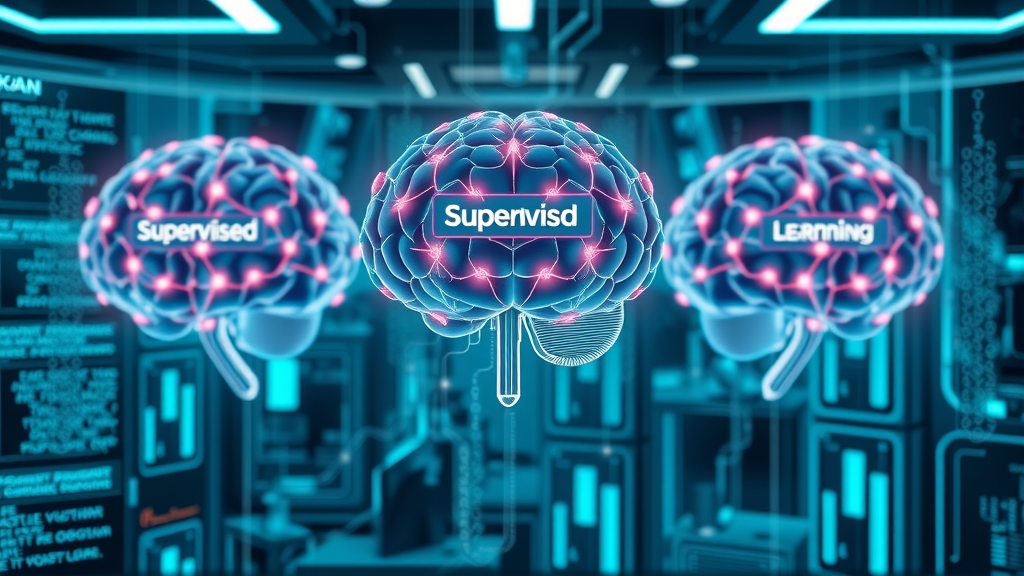
Three digital brains representing supervised, unsupervised, and reinforcement learning in marketing, connected by data pathways

There are three principal categories of machine learning models that dominate the digital marketing landscape: supervised learning , unsupervised learning , and reinforcement learning . Supervised learning involves training algorithms with historical data labeled by outcomes, such as which customers converted after receiving a specific email. This approach powers many predictive analytics tools, including conversion rate forecasting and churn prediction. Unsupervised learning , in contrast, explores customer data without predefined labels, extracting hidden patterns, clustering audiences based on similarities, and enabling advanced customer segmentation that marketers may not have considered. Finally, reinforcement learning mimics a trial-and-error approach, using ongoing feedback from marketing campaign performance to continually optimize tactics in search engines, content placement, or ad bidding.

For example, a data science team may deploy supervised learning to predict which segments are more likely to redeem a seasonal offer, while unsupervised techniques might uncover new audience clusters ripe for targeted promotions. Reinforcement learning, popular in programmatic advertising, enables platforms to adapt bidding strategies on the fly for optimal results, dynamically maximizing ROI based on evolving metrics and real-time feedback.

  • Showcase real-world examples of machine learning models driving marketing campaigns and improving customer segmentation.

Many marketing campaigns now harness these models for tangible results. Streaming services, for instance, use unsupervised learning to recommend shows to subscribers based on watch history, while ecommerce brands deploy supervised models to automate recommendations and increase conversion rates . Reinforcement learning is revolutionizing paid ad placement by automatically raising or lowering bids to increase ad visibility among profitable audiences.

Machine Learning in Digital Marketing: How Leading Brands Gain Competitive Advantage

  • Analyze leading digital marketing campaigns that implemented machine learning to boost performance, identify patterns, and personalize outreach.
  • Summarize how artificial intelligence and predictive analytics reshape the digital marketing environment.

Marketing analyst using machine learning dashboards to review campaign performance, digital marketing visualizations in real-time

The world’s most successful brands are leveraging machine learning in marketing to identify intricate trends across broad data sets, from social media engagement to transactional records. Leading companies—think major retailers or global banks—embed artificial intelligence and predictive analytics into their digital marketing frameworks to not only identify the right audiences, but deliver hyper-personalized content and offers in the perfect moment. For example, an airline might adjust pricing and promotions in real time based on booking patterns, weather, and market demand—all thanks to the robust data analysis capabilities fueled by machine learning.

Beyond targeting, machine learning models drive major leaps in campaign optimization. They determine which channels or messages yield the highest engagement, adapt budget allocations accordingly, and automate the tedious A/B testing process. With every iteration, these learning models get smarter, offering digital marketers an ever-evolving toolkit that boosts efficiency and keeps their strategies ahead of the curve.

The ripple effect is a fundamental reshaping of the digital marketing environment. With real-time insights, automated personalization, and the predictive power of artificial intelligence, marketers can now operate with unprecedented agility and precision. No longer is marketing about guesswork—it’s about clear, data-driven action and innovation.

Customer Segmentation and Personalization: Machine Learning in Action

  • Describe how machine learning automates customer segmentation for highly personalized marketing campaigns.
  • Discuss the effect of data analysis and predictive analytics on customer satisfaction and engagement.

Marketer using machine learning for customer segmentation, personalized digital profiles and targeted marketing offers

Automated customer segmentation stands out as one of the most profitable uses of machine learning in marketing. By analyzing historical data including purchase history , engagement frequency, and product interaction, learning algorithms organize customers into distinct, actionable groups. This automation enables marketers to target segments with pinpoint accuracy—improving both customer engagement and marketing ROI without manual labor. As a result, personalized marketing campaigns become not just scalable but consistently effective, reaching the right audience with offers that genuinely resonate.

The effect is clear: brands see dramatic improvements in customer experience and customer satisfaction . With ongoing data analysis and predictive analytics, companies can ensure every touchpoint is tailored. Customers that feel understood and valued are more likely to convert, advocate, and remain loyal, creating a virtuous cycle where deeper insights drive stronger marketing strategies, and vice versa.

As consumers expect ever more custom-fit content, machine learning provides the analytical muscle for ongoing improvement, allowing digital marketers to adjust and adapt before the customer even realizes their needs have changed.

Optimizing Marketing Campaigns with Machine Learning-Driven Data Analysis

  • Showcase the cycle of data collection, analysis, and campaign optimization using machine learning in marketing.
  • Breakdown the integration of data science, learning models, and machine learning models in continuously improving ROI.

Marketers tracking data collection and campaign optimization cycles using machine learning and data analysis in digital marketing

Machine learning in marketing thrives on the interplay of data science , continuous data collection, and the flexibility of learning models. The cycle begins with marketers gathering detailed interaction data from websites, emails, advertising, and social platforms. This raw data is then analyzed by machine learning algorithms that transform millions of touchpoints into patterns, indicators, and actionable recommendations. For instance, predictive analytics might spot that users who click on a certain ad sequence are 40% more likely to buy.

With these insights, marketing teams can rapidly optimize campaigns—refining messaging, shifting spend, or targeting new audiences—with confidence. The seamless marriage of machine learning models and data science ensures each campaign not only reflects past performance but predicts future outcomes for superior ROI. Over time, every marketing action adds to a virtuous cycle: more data powers more accurate models, which enables better results and more intelligent marketing strategies.

The result? Marketers move from intuition to evidence-based decisions, capitalizing on opportunities as they arise and making split-second adjustments that maximize results across every touchpoint.

Case Study: Email Marketing Enhanced by Machine Learning

  • Analyze how machine learning algorithms increase email marketing open rates and conversions through hyper-targeted messaging.
  • Examples of customer engagement improvement via data-driven email campaigns.

Digital marketer monitoring email marketing analytics, pleased by conversion improvements via machine learning

Take email marketing , a channel where open and conversion rates have traditionally lagged due to generic messaging. With machine learning, brands can now analyze historical data on click-throughs, engagement times, and purchase behavior to determine exactly which content resonates with different groups. Sophisticated learning algorithms personalize subject lines, send times, and even the core offer for each recipient, dramatically increasing both the likelihood of an open and the probability of a conversion.

Consider a leading retailer that used a machine learning model to segment its email list based on previous buying patterns and website activity. Targeted messaging led to a 45% surge in click rates and a 25% increase in conversion rates compared to past email marketing campaigns. The shift to data-driven decisions doesn’t just improve metrics on a dashboard—it boosts actual customer engagement , opens new avenues for product cross-sells, and drives long-term loyalty.

This success highlights the practical value of integrating email marketing with machine learning in marketing initiatives. Automated optimization frees up creative marketing teams to craft compelling experiences, while machine learning algorithms do the heavy lifting in the background—delivering measurable gains with every send.

Artificial Intelligence, Predictive Analytics, and the Future of Customer Experience in Marketing

  • Interpret the relationship between artificial intelligence, machine learning, and predictive analytics in shaping superior customer experience.
  • Demonstrate how marketers can build proactive campaigns that anticipate customer needs and boost satisfaction.

Marketers collaborating with AI technology for future customer experience and predictive analytics in marketing

The synergy between artificial intelligence , machine learning , and predictive analytics is revolutionizing customer experience . Machine learning serves as the analytical engine, processing vast quantities of customer data to uncover patterns, while AI interfaces (such as chatbots or recommendation engines) deliver those results in intuitive, human-centric ways. Predictive analytics takes it a step further, forecasting future behaviors such as churn risk, conversion propensity, or upsell opportunities—enabling marketers to intervene proactively.

With these tools, marketers don’t just respond to evolving customer needs—they anticipate them. Campaigns powered by these models offer tailored suggestions the moment someone lands on your site or interacts via email. This level of proactive personalization boosts customer satisfaction and strengthens brand loyalty , setting a new standard for customer experience in the digital age.

Comparison Table: Traditional Marketing Strategies vs. Machine Learning in Marketing
Aspect Traditional Marketing Strategies Machine Learning in Marketing
Audience Targeting Broad, manual segmentation Automated, granular segmentation with real-time adjustments
Data Analysis Retrospective, often slow Real-time, continuous, predictive analytics
Personalization Static, rule-based Dynamic, individual-focused recommendations
ROI Optimization Occasional reporting & static A/B testing Continuous, automated optimization and rapid adaptation

Real-World Impact: How Top Brands Leverage Machine Learning in Marketing

  • Profile brands like Coca-Cola utilizing AI and machine learning in digital marketing to improve campaign optimization and customer segmentation.

Coca-Cola marketing team brainstorming with AI dashboards, leveraging machine learning in global campaigns

Industry leaders exemplify what’s possible when machine learning in marketing is deployed at scale. Coca-Cola, for example, harnesses artificial intelligence and learning algorithms to analyze millions of data points from social media, sales, and customer feedback. This real-time digital intelligence enables them to predict purchase trends, optimize offer timing, and adapt campaigns dynamically to current consumer sentiment.

The company’s global marketing approach incorporates advanced data science and predictive analytics to segment audiences not just by demographics but by real behaviors and interests. This has led to more engaging content, smarter ad placements, and higher ROI across international borders. The lesson is clear: top brands are not just using technology—they’re turning data into a strategic asset, redefining marketing campaigns with the power of machine learning models.

"Data is the new oil, and machine learning is the engine transforming it into actionable insights for marketers."

Implementing Machine Learning in Marketing: Step-by-Step Roadmap

  1. Identify goals and key metrics for ROI improvement.
  2. Audit data readiness for machine learning integration.
  3. Select the appropriate machine learning model or partner.
  4. Deploy, test, and iterate learning models for continued marketing performance.

Marketers following a step-by-step roadmap to implementing machine learning in marketing

To unlock the ROI potential of machine learning in marketing , follow a structured approach. First, set clear objectives—whether that’s increasing customer engagement , boosting conversions, or maximizing customer satisfaction . Assess your data infrastructure to ensure you have high-quality, relevant, and accessible data ready for analysis. Next, choose or build the right machine learning model based on your campaign goals and company resources; in some cases, partnering with expert agencies accelerates results. Finally, launch your solution, monitor performance, and continuously iterate—successful machine learning relies on ongoing tweaking and real-world feedback to optimize digital marketing campaigns for the best possible ROI.

Investment in team training, cross-department collaboration, and technology partners simplifies deployment and ensures the long-term success of marketing strategies powered by AI and learning models.

Common Challenges When Adopting Machine Learning in Marketing—And How to Overcome Them

  • Discuss practical obstacles: data quality, privacy concerns, and talent gaps in digital marketing environments.
  • Checklist: Best practices for machine learning adoption across marketing strategies.

While the case for machine learning in marketing is compelling, adoption presents real-world challenges. Many marketers struggle with data quality issues—disconnected systems, missing data, or inconsistent formatting undermining the accuracy of predictive models. Privacy concerns must also be addressed, ensuring compliance with regulations like GDPR and building trust with customers around data collection and usage. Finally, the talent gap is significant: digital marketing teams may lack experience in data science , machine learning, or advanced analytics.

Overcoming these challenges requires a proactive approach:

  • Ensure robust data governance and hygiene practices are in place.
  • Invest in upskilling internal teams through training and partnerships with data science experts.
  • Be transparent with customers about data practices and consistently monitor for new privacy requirements.
  • Choose user-friendly learning models or external partners that lower the barrier to entry for machine learning in marketing projects.

Maximizing ROI: Measuring Performance and Success with Machine Learning in Marketing

  • Key metrics: customer engagement, customer satisfaction, campaign efficiency, and sales lift as influenced by machine learning.

Senior marketer analyzing real-time ROI and key performance indicators with a marketing analytics team

The ROI of machine learning in marketing is best captured through a blend of classic and advanced metrics. These include quantifiable gains in customer engagement and satisfaction, improved campaign efficiency , and measurable sales lift. Marketers should monitor changes in conversion rates , campaign ROI, repeat purchases, and customer sentiment, as these KPIs highlight both the financial and experiential impact of machine learning models.

Integrating a robust measurement framework ensures continuous improvement:

  • Track success rates for personalized campaigns versus standard efforts.
  • Analyze customer feedback and behavioral shifts post-implementation of AI-driven marketing campaigns.
  • Regularly review automation and optimization savings in campaign management time and budget allocation.
machine learning
Sample KPI Measurement Framework for Machine Learning in Marketing
Metric Pre-ML Implementation Post-ML Implementation Target Improvement (%)
Email Open Rate 15% 21% +40%
Campaign Conversion Rate 3.5% 5.0% +43%
Customer Churn 7% 5.2% -26%
Time to Optimize Campaign 3 Weeks 3 Days -86%

Unlocking New Marketing Strategies Through Machine Learning Innovation

  • Emergent marketing strategies made possible by artificial intelligence, predictive analytics, and advanced machine learning models.
  • Future trends: how automation, customer segmentation, and data analysis will continue to shape the next decade of digital marketing.

The evolution of machine learning in marketing is unveiling strategies that were unthinkable just a few years ago. Real-time personalization at scale, predictive product recommendations, automated media buys, and dynamic price optimization are now essential components of modern marketing arsenals. Artificial intelligence sifts through fast-changing market signals, allowing marketers to retarget audiences instantly and uncover opportunities that would have otherwise gone unnoticed.

Looking to the future, trends such as automated content generation, conversational marketing powered by natural language processing, and seamless omnichannel experiences will continue to redefine the marketing landscape. Marketers who champion machine learning models and predictive analytics today will enjoy a distinct competitive edge—increasing both their organizational agility and their ability to deliver truly memorable customer experiences.

What You'll Gain by Integrating Machine Learning in Marketing

  • Condensed benefits: improved decision making, personalized campaigns, higher customer engagement, superior ROI, and a smarter marketing strategy.

Integrating machine learning in marketing means unlocking a toolkit for smarter, faster, and more effective marketing decision making. Enjoy sharper insights from your data, personalize every stage of the customer journey, drive up customer engagement and satisfaction, and consistently squeeze more value from your marketing budget. Ultimately, you’ll equip your business with adaptive strategies and the agility to outperform the competition—no matter how fast the digital landscape shifts.

These gains apply whether you’re a startup or a global brand: more meaningful interactions, measurable ROI improvement, and the confidence to lead your market through data-driven innovation.

Key Industry Use Cases: Success Stories in Machine Learning and Digital Marketing

  • Highlight relevant examples from industries such as retail, finance, technology, and entertainment.

Retail: Major ecommerce platforms like Amazon use machine learning to power real-time recommendations, driving sales and improving customer loyalty.

Finance: Leading banks employ predictive analytics to segment audiences for targeted lending campaigns, while also using AI-powered chatbots to boost customer satisfaction and decrease service costs.

Technology: Software companies tailor onboarding experiences using learning models that adapt based on user activity, optimizing free trial conversions.

Entertainment: Streaming giants leverage customer data to personalize content suggestions, keeping users engaged and reducing churn through machine learning-driven customer segmentation .

These cases show how machine learning in marketing isn’t industry-specific—it’s a universal driver of better experiences and business results.

Frequently Asked Questions About Machine Learning in Marketing

  • What is machine learning in marketing? Machine learning in marketing refers to using computer models that learn from data to automate and optimize marketing processes, such as customer segmentation, targeting, and campaign optimization for better ROI.
  • How does machine learning improve customer segmentation? Machine learning algorithms analyze large sets of data—such as purchase history and browsing behavior—to automatically group customers into actionable segments, increasing targeting precision and campaign relevance.
  • Which marketing strategies benefit most from machine learning models? Strategies including email marketing, dynamic ad targeting, personalized content, and churn prevention see significant improvements from machine learning models because of increased automation and predictive accuracy.
  • How quickly can businesses see ROI using machine learning in marketing? Depending on data quality and strategy, many businesses observe measurable ROI improvements within three to six months of implementing machine learning in their marketing campaigns.

People Also Ask: How can machine learning be used in marketing?

  • Machine learning in marketing enables predictive analytics, automated optimization of marketing campaigns, real-time personalization, improved customer segmentation, and efficient data analysis. Brands benefit by targeting the right audience, at the right time, with tailored content.

People Also Ask: How does Coca-Cola use AI in marketing?

  • Coca-Cola leverages AI and machine learning in digital marketing to analyze vast consumer data, predict purchase behavior, optimize marketing campaigns in real-time, and generate personalized customer experiences.

People Also Ask: What does ML mean in marketing?

  • ML, or machine learning, in marketing refers to algorithms and models that analyze data, learn from patterns, and automate decision-making to optimize marketing strategies and boost ROI.

People Also Ask: Can I use AI for marketing?

  • Absolutely. Businesses of all sizes can harness AI and machine learning in marketing for customer segmentation, predictive analytics, campaign automation, and enhancing both efficiency and results.

Action Steps for Marketers Ready to Transform ROI with Machine Learning

  • Assess your current marketing technologies for data readiness and integration capability.
  • Invest in employee training and cross-skilling on data science, analytics, and machine learning models.
  • Partner with data scientists, external agencies, or platform vendors to accelerate deployment and knowledge transfer.
  • Launch a pilot machine learning initiative targeting a key marketing campaign, validate with strict KPIs, and evolve toward organization-wide transformation.

By taking a measured, skills-focused approach, companies can lay the groundwork for long-term success and sustainable marketing innovation powered by machine learning.

In Summary: The Unstoppable Revolution of Machine Learning in Marketing

  • Don’t wait—capitalize on the ROI potential and transformative power of machine learning in digital marketing. Act now, and future-proof your marketing strategies with smarter, data-driven innovation.

Integrating machine learning into marketing strategies can significantly enhance return on investment (ROI) by enabling more precise customer segmentation, personalized recommendations, and predictive analytics. For instance, Starbucks has leveraged predictive analytics to deliver hyper-personalized offers through its mobile app, resulting in a tripling of marketing effectiveness and a 2-3x increase in incremental spend compared to traditional targeting methods. ( 33rdsquare.com ) Similarly, The Home Depot employs machine learning to tailor product content and recommendations across various channels, leading to a 15-20% increase in revenue per email sent and a 25% boost in return on ad spend for retargeting campaigns. ( 33rdsquare.com ) These examples underscore the transformative potential of machine learning in optimizing marketing efforts and driving substantial business growth.


AI Visibility Tools

55 Views

0 Comments

Write A Comment

*
*
Related Posts All Posts
12.22.2025

How AI Visibility Technology Revolutionizes Small Business Media Presence

CJ Coolidge’s Core Insight: Why AI Visibility Technology Demands More Than Simple AdoptionFor most small business leaders encountering AI visibility technology for the first time, it’s tempting to assume the solution is plug-and-play. From drafting resumes with ChatGPT to generating quick thank-you notes, AI appears to streamline content creation with polished, grammatically sound outputs. According to CJ Coolidge of Stratalyst Media, this perception misses the critical reality: the most profound value of AI lies not in mere automation, but in its transformative power—if—and only if—businesses bring intentionality, clarity, and strategy to the process.Too often, small business owners underestimate the complexity of integrating AI, convinced that if the output “sounds good,” it must be genuinely effective. As Coolidge notes throughout his work, the average person isn’t trained to recognize the subtle traps of generic content—especially when AI’s output initially comes across as competent, even impressive. However, he cautions that this surface-level appeal can camouflage a glaring absence of true brand voice and unique perspective, leading to a disconnect between your message and your audience’s needs."The average person doesn’t write very well. They get fooled because AI writes structured content that seems good at first glance—but the real challenge lies in capturing a unique perspective that resonates deeply with your audience." — CJ Coolidge, Stratalyst MediaThe Hidden Pitfalls of Oversimplifying AI Visibility Technology in Small Business MediaAs AI tools become increasingly accessible, a dangerous misconception persists—that technology alone can resolve long-standing challenges in digital marketing and brand positioning. CJ Coolidge emphasizes that this oversimplified thinking often leads small businesses astray, especially when it comes to scaling their media presence. What gets overlooked is the need for an evolved, meticulously crafted strategy that accounts for exponential amplification—both of positive results and potential missteps—enabled by AI.Small business leaders frequently treat their pre-AI content habits as sufficient, assuming that simply layering AI on top will multiply their reach without a corresponding investment in strategy. But, as Coolidge warns, this approach can inadvertently broadcast mistakes, inconsistencies, and tone-deaf messaging to much wider audiences, causing reputational risks that are difficult (and sometimes impossible) to retract in the fast-moving world of digital syndication.Underestimating the Need for Strategic Brand Voice and Audience ClarityOne of CJ Coolidge’s most pointed observations involves the foundational work most business owners try to avoid—defining a rigorous brand voice, understanding their customer avatar, and mapping their unique value proposition. Without this groundwork, AI-generated content almost inevitably devolves into bland, generic messaging that fails to win trust or attention. The allure of quick, high-volume publishing makes it easy to sidestep these crucial pre-AI steps, yet Coolidge insists that genuine success hinges on doubling down where it matters most: articulating specificity and resonance.According to Coolidge, ai visibility technology has a magnifying effect: “Any problem becomes multiplied.” If you haven’t nailed down who you’re speaking to or how you want to be perceived, AI will simply amplify confusion and diminish your authority. The expert's perspective is that authentic brand building still requires human ownership, deliberate reflection, and targeted positioning—skills that can’t be replicated through automation alone."Many businesses think they can just plug-and-play AI without revisiting their brand voice or target avatar. But AI magnifies problems if you don’t get these fundamentals right from the start." — CJ Coolidge, Stratalyst MediaExponential Content Growth: The Double-Edged Sword of AI PublishingPerhaps the most “aha” and cautionary perspective CJ Coolidge provides centers on the sheer speed and scale enabled by AI. In the pre-AI era, a misstep in a single blog post could be quietly edited and updated, mitigating any negative consequences. Today, AI-powered content syndication means that a lone oversight can echo across hundreds of sites, multiplying risk exponentially. Coolidge describes scenarios where even minor issues can become unmanageable due to cascading reposts, leaving business leaders powerless to contain the spread.This reality forces a mindset shift. Instead of equating AI with reduced workload or minimized oversight, Coolidge counsels business owners to embrace greater intentionality and vigilance. “AI doesn’t have limits unless you give them,” he notes, reinforcing the need for defined boundaries, review processes, and continuous human involvement to ensure that brand-aligned, error-free messaging prevails at scale."Before AI, you could fix a single problematic article quickly. Now, one piece can syndicate to hundreds of places before you even realize there’s an issue. Without control, AI can amplify mistakes exponentially." — CJ Coolidge, Stratalyst MediaUnlocking the Full Potential of AI Visibility Technology with Expert GuidanceAs technology matures, so must our approach to it. CJ Coolidge urges small business owners to move beyond ad hoc experimentation and invest in expert collaboration and intentional systems. The promise of ai visibility technology isn’t simply publishing more content faster—it’s capturing authority, trust, and market share through cohesive messaging amplified by powerful tools, all underpinned by human expertise.According to Coolidge, businesses that hesitate to elevate their strategy often fall into the trap of treating AI-generated output as a commodity, missing out on opportunities for differentiation and audience resonance. True transformation, he emphasizes, lies at the intersection of scalable tech and strategic clarity—where each AI-enabled touchpoint builds toward a unified, authentic brand presence.Why Small Businesses Must Elevate Their Content Strategy for AI SuccessDevelop a clear, comprehensive brand voice unique to your businessDefine and deeply understand your customer avatarPlan and scale publishing efforts strategically, not just volumetricallySet boundaries and controls for AI-generated content to avoid unintended consequencesThese strategic pillars, as outlined by CJ Coolidge, allow you to harness ai visibility technology not as a mere productivity hack, but as a catalyst for sustainable long-term growth. Brand voice, avatar specificity, and content quality become non-negotiables in a landscape where missteps can propagate as quickly as successes.Coolidge’s experience demonstrates that every small business—regardless of industry—must move beyond basic publishing to actively own and shape conversations in their markets. Those who do, leveraging AI not just for scale but for strategic alignment, will define the gold standard for digital authority in 2025 and beyond.CJ Coolidge’s Expert Approach: Balancing AI Power with Human InsightThe secret, according to CJ Coolidge, is balance. AI can revolutionize the way small businesses engage audiences and build media presence—but only when its exponential power is consciously managed. Human insight provides the guardrails: setting boundaries, maintaining consistency, and ensuring every piece of content authentically reflects your unique value.Professional guidance, in this new paradigm, is not an optional luxury but a foundational necessity. Coolidge stresses that expert oversight can protect businesses from unintentional amplification of errors while ensuring their core voice shines through the noise. The result is a media presence not only larger, but smarter, sharper, and more aligned to real business goals."AI grows exponentially—it has no limits unless we set them. Professional guidance ensures AI is harnessed intelligently to amplify your brand’s true voice without losing control." — CJ Coolidge, Stratalyst MediaPractical Steps for Small Businesses to Harness AI Visibility Technology TodayConduct a comprehensive brand audit focusing on voice and identityMap out your ideal customer avatar to tailor AI contentPartner with AI experts to build custom content systems aligned with your goalsImplement iterative review processes to catch and correct errors earlyScale publishing thoughtfully to maintain quality while expanding reachCJ Coolidge advises every business leader to take a hard look at their current approach. Start with brand fundamentals, not technology. Collaborate with trusted AI partners—those with a proven track record—to implement systems that respect your vision and goals. Iteration, not automation for its own sake, becomes the defining trait of success with ai visibility technology.Commit to evolving your publishing strategy, choosing intentional growth over blind breadth. With the right process, small businesses can leverage AI not just for reach, but for resonance, lasting authority, and market leadership.Summary: Transformative AI Visibility Technology Requires Clarity, Control, and ExpertiseAI visibility technology is not a plug-and-play solution; success hinges on deep brand clarityOversimplification risks content misalignment and exponentially amplified mistakesExpert involvement is critical to set boundaries and maximize AI benefitsSmall businesses must rethink publishing scale and invest in strategic content creationTake Your Small Business Media Presence to the Next Level with CJ CoolidgeThe era of AI in small business media is here, but simply leveraging technology is no longer enough. As CJ Coolidge’s expertise makes clear, ai visibility technology delivers its greatest impact when it’s guided by clarity, discipline, and human insight. Don’t settle for average—elevate your strategy, invest in trusted expert support, and allow your business’s authentic voice to command the stage in your industry. Ready to transform your media presence and unlock your brand’s true visibility potential? Connect with CJ Coolidge at Stratalyst Media to chart a path to market leadership—powered by AI, elevated by expert guidance.

12.19.2025

Discover the Hidden Power of AI Visibility Technology Today

In today’s hyperconnected world, the ways in which small businesses reach, influence, and grow their audiences are being utterly transformed—often in ways most owners never anticipate. AI visibility technology stands at the heart of this revolution, promising explosive reach, automation, and opportunities that were once limited to big-budget brands. But beneath the promise lies a crucial truth: simply “using” AI isn’t enough. Real impact comes to those who learn to master and strategically channel AI’s power—turning it into a force that builds distinct, lasting authority, not just more noise.For small business owners, marketing leaders, and brand builders, the path to breakthrough visibility is evolving rapidly. In this practical deep-dive, CJ Coolidge of Stratalyst Media dissects the hidden traps, exposes pervasive myths, and lays out the blueprint for harnessing AI to propel your brand presence in 2025 and beyond. Join us as he unpacks the crucial mindset shifts and process upgrades every business must make—delivering not just lessons, but eye-opening “aha!” moments you’ll never forget.Why Small Businesses Misunderstand AI Visibility Technology and Its Real ImpactAccording to CJ Coolidge, the greatest misconception about AI visibility technology is its perceived simplicity. Many assume that because tools like ChatGPT or Claude generate polished paragraphs on command, integrating AI into their publishing means less effort—and near-instant results. But this ease hides a costly oversight: AI delivers structural competency, not the irreplaceable spark of brand perspective. Most business owners don’t realize what’s missing because AI “sounds” right, yet lacks deep context, emotional nuance, and strategic differentiation.Coolidge emphasizes that because the average business owner is not trained in editorial excellence, they’re often seduced by AI’s surface-level polish. They fall into thinking they can “set it and forget it,” bypassing the hard but vital work of sharpening brand voice, clarifying their target avatar, or mapping out a strategic content roadmap. The result? A widening gap between what AI can produce and what a brand actually needs to stand out."The average person doesn’t realize that AI writes well enough to fool them, but lacks the unique perspective that true brand authority demands." — CJ Coolidge, Stratalyst MediaThe Oversimplification Trap: Why Small Businesses Assume AI Means Doing Less, Not MoreFor many small businesses, their introduction to AI visibility technology comes through the lens of convenience. They see tools that automate emails, generate articles, or draft social posts and conclude the future is about doing everything faster—and with less effort than before. But as Coolidge points out, this is an illusion that can sap a business’s capacity for truly differentiated engagement. Relying on basic AI output produces a flood of content, but rarely content that compels, converts, or anchors a lasting brand identity.According to CJ Coolidge, this oversimplified approach often leads entrepreneurs to ignore the dramatic increase in publishing volume demanded by digital channels—and overlook the degree of intentionality and rigorous control that’s actually required. When businesses assume AI will “cover” for their lack of clarity or planning, they risk magnifying weak messaging and generic storytelling across hundreds of touchpoints, rather than setting themselves apart in a crowded landscape."Many believe AI is a plug-and-play solution—then get surprised when the volume and quality demands multiply exponentially." — CJ Coolidge, Stratalyst MediaMisjudging the effort required to scale publishingNeglecting the importance of a clear, comprehensive brand voiceUnderestimating the need to deeply understand target avatarsAssuming AI can replace strategic content planningThe Risks of Uncontrolled AI Content Syndication in Building Brand VisibilityThe rapid syndication enabled by AI visibility technology has reshaped how content travels. In the pre-AI era, a single article could be authored, published locally, and—if needed—quietly corrected after feedback. Now, a piece of content can be blasted across dozens (sometimes hundreds) of platforms within hours, with each instance compounding its impact, for better or for worse. As Coolidge warns, this power can just as easily multiply mistakes as it can magnify successes.The lack of clear controls and boundaries around AI-powered syndication can leave businesses exposed. A single oversight—a poorly worded claim, misaligned brand signal, or insensitive phrasing—can rapidly spread, with each audience impression eroding trust and authority. Coolidge’s insights highlight a blind spot: the assumption that mistakes can easily be “reeled back.” In reality, the velocity and scale of AI-driven content distribution means the stakes are much higher, with cleanup becoming almost impossible once syndication takes off."Without strategic boundaries, AI can multiply your content mistakes from one place to hundreds, making clean-up nearly impossible." — CJ Coolidge, Stratalyst MediaFrom Single Article to Hundreds: How AI Amplifies Both Successes and MistakesAccording to CJ Coolidge, the transformation is stark: in traditional publishing, a business could publish, wait for feedback, then edit or retract as needed. With AI visibility technology, that single piece of content can instantly hopscotch across interconnected platforms through automated syndication—leaving little room for post-publication course correction. When authority is on the line, this means one lapse in oversight can echo endlessly, damaging hard-earned reputations in seconds.Yet, this massive amplification also represents opportunity—if harnessed strategically. Coolidge urges that businesses must adopt heightened vigilance and proactive oversight over every element they publish, from messaging clarity to compliance. This is what separates those who merely deploy AI from those who truly master its power to scale impactful, trustworthy media presence.Traditional publishing allowed quick fixes after feedbackAI-driven syndication spreads content rapidly across multiple channelsA single overlooked flaw can cascade, harming brand reputationRequires more vigilance and strategic oversight than everProfessional Guidance: The Critical Factor for Unlocking AI Visibility Technology’s PotentialWhen asked about the solution, CJ Coolidge is direct: professional, expert guidance is now non-negotiable for brands navigating the evolving landscape of AI visibility technology. Why? Because AI, by nature, grows and scales outputs exponentially. Without disciplined boundaries, expert strategy, and hands-on leadership, any business risks amplifying not just their strengths—but their blind spots and liabilities.Coolidge cautions that most small business owners underestimate this exponential effect. They see AI as a shortcut, oblivious to the fact that, left unchecked, its scale and reach can distort messaging, misalign content, and multiply even the smallest missteps. True value comes not from simply running AI tools, but from architecting the strategic frameworks, workflows, and feedback loops that harness available power and turn it into sustainable brand growth."Expert involvement is vital because AI grows exponentially; without clear limits, businesses risk amplifying undesirable outcomes." — CJ Coolidge, Stratalyst MediaDefining Brand Voice and Audience: Foundations for Effective AI-Driven Media PresenceAccording to CJ Coolidge, the road to mastery starts with absolute clarity on brand voice and audience. Before deploying any AI tool, business leaders must deeply articulate what makes their message unique, who they are trying to serve, and how their content aligns with their long-term objectives. This practice, often skipped in a rush for output, determines whether AI content amplifies value—or simply acts as an echo chamber for mediocrity.Investing time and expertise into workshops, avatar research, and voice definition pays compounding dividends. Coolidge’s process involves working closely with clients to discover (and document) these core elements, ensuring every AI-generated word reflects specific brand preferences, desired outcomes, and market realities. When these foundations are in place, AI visibility technology becomes a transformative lever for targeted influence and growth.Case Study Insights: Thousands of Hours Building Custom AI Publishing SystemsFew experts can claim as much firsthand experience as CJ Coolidge, who has spent thousands of hours auditing, tweaking, and architecting AI-augmented content systems for clients across industries. The patterns are clear: when businesses apply generic AI without expert systemization and customization, results range from misaligned messaging to disengaged audiences. But when AI is sculpted around deep brand insights, clear boundaries, and ongoing feedback, the shift is profound—delivering both volume and quality at scale.Drawing on dozens of client projects, Coolidge outlines how his process tackles challenges at every step, from clarifying voice to optimizing audience targeting, and building robust systems for scalable, responsive publishing. The following table summarizes these essential lessons:StrategyChallengeAI ImpactExpert SolutionBrand Voice ClarityVague messagingGeneric AI contentDeep voice customizationAudience TargetingMisaligned contentLow engagementPrecise avatar definitionContent VolumeResource limitsQuality compromiseAutomated yet curated publishingActionable Steps to Harness AI Visibility Technology for Explosive Brand GrowthCoolidge’s methodology is rooted in practice and precision. For small business leaders aiming to elevate their media presence with AI visibility technology, he recommends the following actionable framework. Each step draws on hard-earned lessons—streamlined workflows that move beyond theory and push brands toward measurable growth.According to CJ Coolidge, the lines between “using” AI and “mastering” AI stand out once leaders commit to structured, strategic action. These are his guiding principles:Invest in expert-led AI content strategy developmentBuild and enforce clear publishing boundaries and controlsExpand publishing volume strategically with quality oversightContinuously refine brand voice and audience insightsMonitor and react quickly to distributed content feedbackKey Takeaway: The Difference Between Using AI and Mastering AI Visibility TechnologyThe ultimate advantage is not in the tool itself, but in the expertise guiding its use. According to CJ Coolidge, businesses that master AI visibility technology don’t just publish more—they publish with strategic intensity, branded voice, and audience alignment that compounds results instead of multiplying risk. It is this mastery, not mere adoption, that secures sustainable brand authority for 2025 and beyond.Coolidge’s perspective is clear: a brand’s digital future depends on deliberate, expertly orchestrated use of AI—not the hope that automation will do the hard thinking for you."It’s not about using AI; it’s about mastering how to guide its exponential power to reflect your unique brand identity." — CJ Coolidge, Stratalyst MediaConclusion: Secure Your Small Business’s Future Through Strategic AI Visibility TechnologyAs the landscape shifts ever faster, the businesses that win will be those that refuse shortcuts and embrace mastery. AI visibility technology is your most powerful ally—if you harness it with discipline, expert strategy, and a relentless focus on what sets your brand apart. The future will belong to the voices that are both amplified and unmistakably authentic.Now is the time to act: align with experts like CJ Coolidge, invest in your brand’s AI strategy, and lead your market into the era of exponential digital influence.

12.12.2025

Unlocking AI Visibility: The Strategy Behind Being Cited by AI

Unlock the Magic of AI Visibility Technology Today. The digital landscape is shifting at lightspeed. Small businesses striving for growth and influence are discovering that legacy publishing models just won’t cut it anymore. Enter AI visibility technology, a transformative force with the potential to skyrocket your brand’s presence—but only in the right hands. The real question is: Are you prepared to harness this power for your business, or will you fall victim to common misconceptions and setbacks?Few understand the nuanced reality of AI visibility as deeply as CJ Coolidge of Stratalyst Media. In this article, CJ breaks down the myths, pitfalls, and essential mindset shifts needed to leverage AI for sustainable, strategic growth. If you’re a business owner, marketing leader, or growth strategist, you won’t want to miss these hard-won insights that separate brand builders from the “AI also-rans.”CJ Coolidge on Why AI Visibility Technology Is More Complex Than You Think"The average person thinks they can just take what AI spits out, and it’ll be good — but AI’s polish can mask a lack of true insight or uniqueness." — CJ Coolidge, Stratalyst MediaAccording to CJ Coolidge, the biggest misconception about AI visibility technology is that it’s an easy, plug-and-play solution for small business marketing. “Most people have dabbled with chatbots—drafting letters or resumes, letting AI do the heavy lifting—and they’re lulled into a false sense of security by the clean, polished output,” CJ notes. But the issue is not in grammar or structure; it’s in depth and differentiation. Without an expert’s critical eye, businesses risk mistaking well-formed sentences for strategically aligned brand messaging.CJ emphasizes that this polished surface conceals a critical lack: “What seems seamless is often generic, missing the brand’s unique voice or differentiator.” Business owners tend to believe that if AI-produced content “sounds good” on a casual read, it must be effective—overlooking whether it truly connects with their audience or supports long-term visibility goals. The lesson? AI is only as sharp as the guidance it receives.The Oversimplification Trap: Impact on Small Business Media PresenceWhy Treating AI Like Just Another Writing Tool Can BackfireCJ warns that the “set-it-and-forget-it” mentality is a serious danger. “Small business owners often assume they don't need to change their publishing habits when integrating AI, not realizing the exponential scale and risks involved.”— CJ Coolidge. Many entrepreneurs apply AI the way they might adopt a spellchecker: as a simple productivity bump. This perspective fails to account for how AI visibility technology can amplify both strengths and weaknesses. If your foundational messaging isn’t crystal clear or your publishing routine lacks discipline, AI will multiply the clutter and confusion, not magic your brand to prominence.The problem is compounded by a lack of experience. As CJ puts it, “Most business owners haven’t invested the thousands of hours required to see what AI really does at scale—how it researches, aggregates, and recycles tired tropes unless given a firm, creative steer.” What seemed “good enough” before AI becomes dangerous now: mediocrity is multiplied, and the competitive advantage of thoughtful publishing all but disappears."Small business owners often assume they don't need to change their publishing habits when integrating AI, not realizing the exponential scale and risks involved." — CJ Coolidge, Stratalyst MediaThe Hidden Risks of Unsupervised AI Content AmplificationUnchecked, AI can create a tidal wave of content—good and bad. CJ explains: “A single mistake in AI-generated content can cascade into hundreds of replicated errors across platforms—and fixing that isn’t simple anymore.” Formerly, a business’s publishing missteps might be quietly corrected in a single place. In the AI visibility technology era, one error can be syndicated to dozens or even hundreds of outlets, quickly escaping your ability to recall or correct it.This massive content amplification means minor oversights can spark major reputational risk. CJ recounts clients who see AI as a cost-cutter: “They think AI allows them to spend less time reviewing each piece, not realizing any problem with the original content is now multiplied manifold—across channels, partners, and feeds. The scale is ruthless, and it demands careful, expert oversight.” In essence, what once was a small fire can become a full-blown inferno in the ungoverned world of automated digital syndication."A single mistake in AI-generated content can cascade into hundreds of replicated errors across platforms — and fixing that isn’t simple anymore." — CJ Coolidge, Stratalyst MediaUnlocking the True Potential: Why Expert Guidance Is Essential with AI Visibility TechnologyDefining Brand Voice and Avatar for Scalable AI ContentAccording to CJ Coolidge, the real leap in AI visibility technology comes when brands “move beyond mechanical publishing and start with foundational strategy.” One of the most overlooked elements? Crafting a distinct brand voice and a clear customer avatar. “You can't expect AI to create magnetic content for you if you haven’t defined who you are and who you’re speaking to,” CJ stresses.This isn’t just a matter of tone or style. It’s about developing a set of guiding principles and avatars that inform every content decision. Only then can AI serve as an authentic amplifier of your brand—rather than a source of bland, interchangeable copy. Without this groundwork, automation simply propagates ambiguity, leaving both your team and your target audience confused or disengaged.Managing Exponential Growth Through Clear AI BoundariesCJ’s advice is clear: “Anything you do in the world of AI is going to automatically grow exponentially. The AI doesn’t have limits unless you give them to it.” To avoid spiraling complexity or error proliferation, businesses must set and enforce boundaries at every stage. This starts with robust workflow design—from content guidelines to multi-stage approval processes.When asked for his top tips, CJ identifies three mission-critical elements:Set explicit AI content guidelines to maintain brand consistency.Develop a comprehensive avatar to guide content personalization.Implement multi-stage content review processes before syndication.From Myth to Mastery: Practical Steps to Harness AI Visibility Technology EffectivelyTransforming Publishing Volume without Sacrificing QualityWith the right approach, AI visibility technology gives small businesses an unprecedented ability to scale up outreach—provided they refuse to sacrifice substance for speed. CJ admits, “Most business owners think the goal of AI is just to speed up publishing. But speed without purpose is a recipe for brand noise, not brand authority.”True mastery involves marrying the efficiency of AI with structured editorial processes, ongoing human review, and meticulous brand stewardship. By leveraging AI strategically, you unlock the magic: dozens or even hundreds of high-quality touchpoints, all aligned with your mission and speaking directly to your ideal audience. The end result? Scalable, measurable growth that propels you ahead of both your competition and the content clutter.Real-World Anecdotes of AI Integration Challenges and WinsCJ Coolidge’s experience highlights how even seasoned businesses can stumble—or succeed—based upon their commitment to expert-led AI integration. While some clients have unknowingly let generic AI tools dilute their message, others have triumphed by rooting their publishing in avatar clarity, process discipline, and ongoing strategic supervision.Below, CJ encapsulates the most common challenges and the expert solutions that can flip the script for small businesses:ChallengeConsequenceExpert SolutionOversimplified AI useGeneric content, brand dilutionBrand voice clarity and expert oversightUnchecked content syndicationAmplified errors, reputational riskControlled content scaling and auditingNeglecting audience targetingReduced engagementPrecise avatar developmentFinal Insights: Preparing Your Small Business for the AI-Driven FutureAI isn’t a shortcut—it’s a force multiplier. The rise of AI visibility technology signals a new era in brand communication, but the winners will be those who think like strategists, not just technologists. According to CJ Coolidge, the secret isn’t to abdicate responsibility to algorithms; it’s to lead with clarity, rigor, and expertise, using AI as a disciplined ally. Whether you’re navigating exponential publishing or safeguarding your messaging across channels, the stakes have never been higher—or the opportunities greater. The businesses that thrive will be those who combine AI acceleration with human insight, brand stewardship, and relentless refinement.Understand AI is a powerful amplifier, not a shortcutInvest in expert-led strategy for sustainable AI integrationCommit to continuous monitoring and refinement of AI content effortsEmbrace the future by partnering with true experts who understand both AI’s power and its pitfalls. If you’re ready to unlock measurable growth while safeguarding your brand’s unique edge, now is the time to act. Contact CJ Coolidge at Stratalyst Media to take the first step toward smarter, risk-proofed digital visibility and secure your brand’s lead in the age of AI-driven competition.To deepen your understanding of AI visibility technology and its impact on small business growth, consider exploring the following resources:“What is AI Visibility?” (trustpublishing.com)This article defines AI visibility as the ability of your content or brand to be retrieved, remembered, and cited by AI systems, highlighting its importance in the evolving digital landscape.“AIVisible | AVO™ – AI Visibility Optimization for B2B” (aivisible.ai)This resource introduces AI Visibility Optimization (AVO™), a framework designed to enhance brand visibility in AI-powered search environments, offering strategies to ensure your business is recommended by AI assistants.If you’re serious about leveraging AI to revolutionize your brand’s presence, these resources will provide valuable insights and actionable strategies.

Terms of Service

Privacy Policy

Core Modal Title

Sorry, no results found

You Might Find These Articles Interesting

T
Please Check Your Email
We Will Be Following Up Shortly
*
*
*